In this article (19 sections)
- What it does exactly
- Materials in order of preference
- 1. Cereal straw (wheat, barley, oats)
- 2. Dry leaves of the year (oak, chestnut, maple)
- 3. Lawn clippings
- 4. Corrugated cardboard without ink
- 5. Untreated wood shavings
- 6. Half-made compost
- 7. Stones or gravel
- Materials to avoid
- How and when to apply
- Typical mistakes
- Too little
- Too close to the stem
- Applying on dry soil
- Using scraps with chemicals
- On permanent crops (strawberry, herbs, fruit trees)
- On annual vegetables
- Cumulative effect
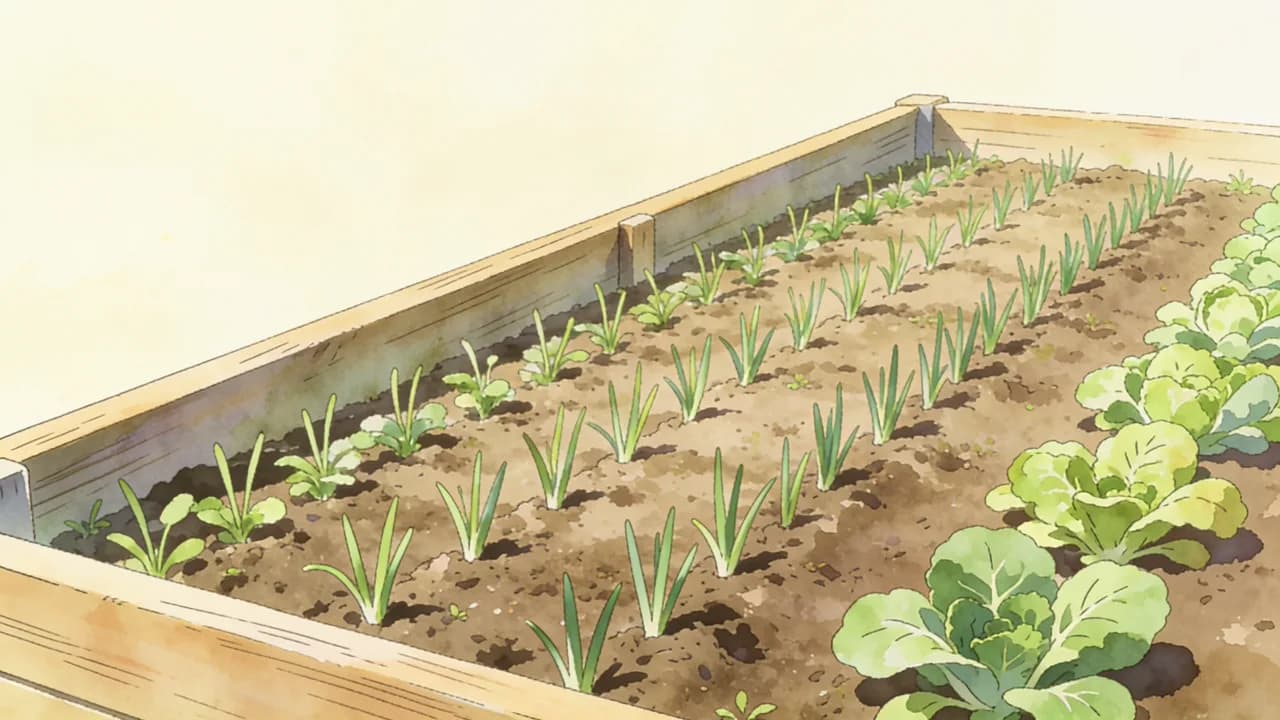
If I had to keep just one technique for the garden, it would be mulching. It reduces watering, holds back weeds, keeps the soil temperature steadier and feeds the soil as it breaks down. It can also cost you nothing if you make use of scraps you already have.
What it does exactly
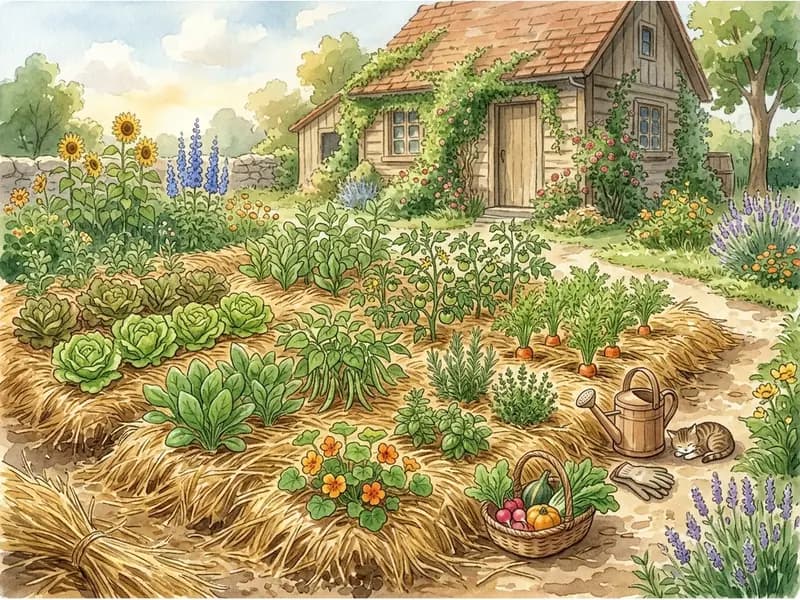
- Reduces evaporation from the soil noticeably, something that in summer is much appreciated.
- Stabilises the temperature: in the heart of August mulched soil is several degrees cooler than bare soil.
- Holds back weeds: without light, most do not germinate, and those that come up are easily pulled.
- Breaks down little by little and adds organic matter to the soil.
- Protects from erosion by wind and heavy rain.
- Gives shelter to useful wildlife (worms, spiders, centipedes), although also to slugs and snails. If your garden has a lot, watch the young plants and keep the mulch somewhat further from them.
Materials in order of preference
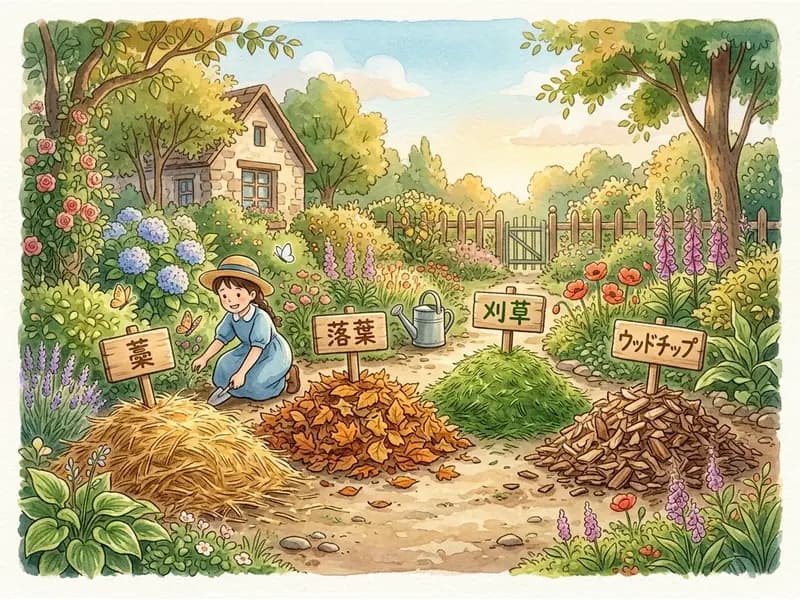
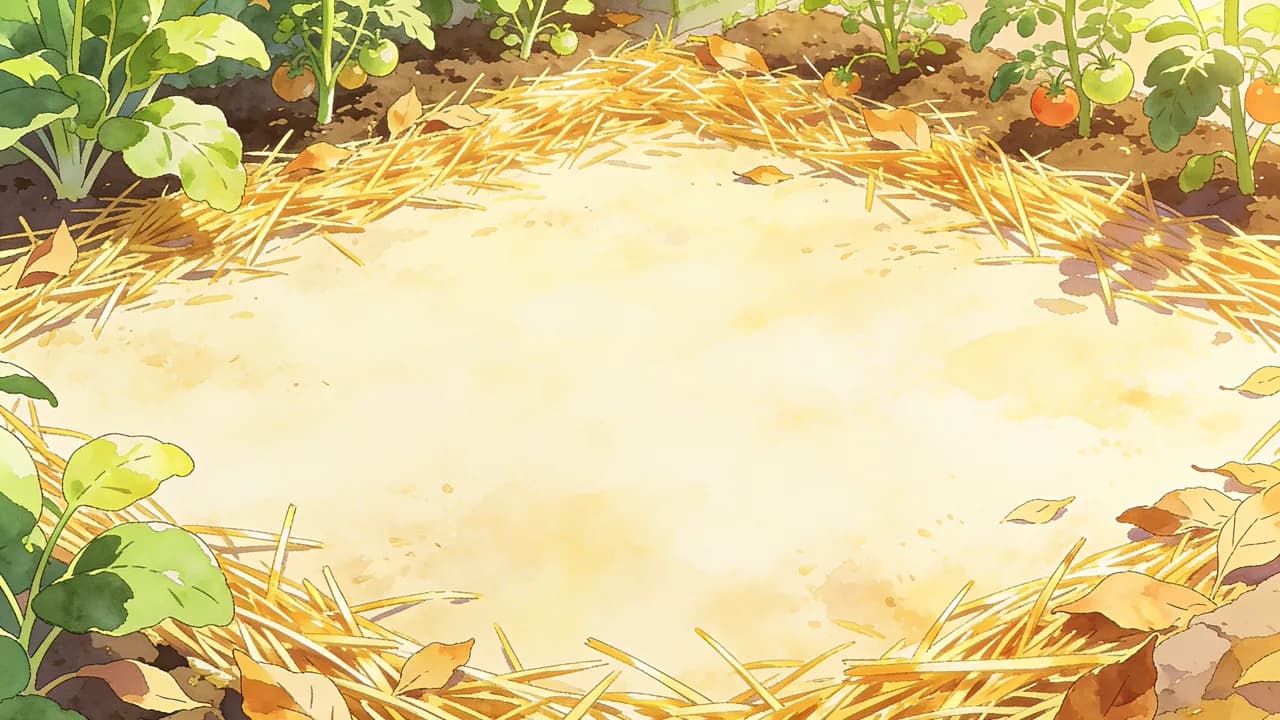
1. Cereal straw (wheat, barley, oats)
It is the best general option: light, slow to break down and lasts between six and nine months. Spread it in a layer of 5-8 cm (2–3.1 in). It goes very well with tomato, strawberry and pumpkin. It is bought in small bales at farm cooperatives.
2. Dry leaves of the year (oak, chestnut, maple)
They are free in autumn. Shred them first with the mower, because whole they pack down and do not let water through. Put on a layer of 5-7 cm (2–2.8 in). They break down in about six months and are excellent for soft fruit.
3. Lawn clippings
Use them only if they carry no herbicides and are dry: green they ferment and smell bad. A layer of 2-3 cm (0.8–1.2 in) is enough. They break down fast, so renew them every 4-6 weeks.
4. Corrugated cardboard without ink
It is ideal for covering a large area of persistent grass. Lay it wet and cover it with straw or leaves. The annual grass underneath usually disappears in about two or three months; those with persistent roots (couch grass, bindweed) need quite a bit longer.
5. Untreated wood shavings
They last one or two years. They suit the paths between beds. In growing areas use them only with perennial plants (fruit trees, herbs), because while they break down they use up some nitrogen from the soil.
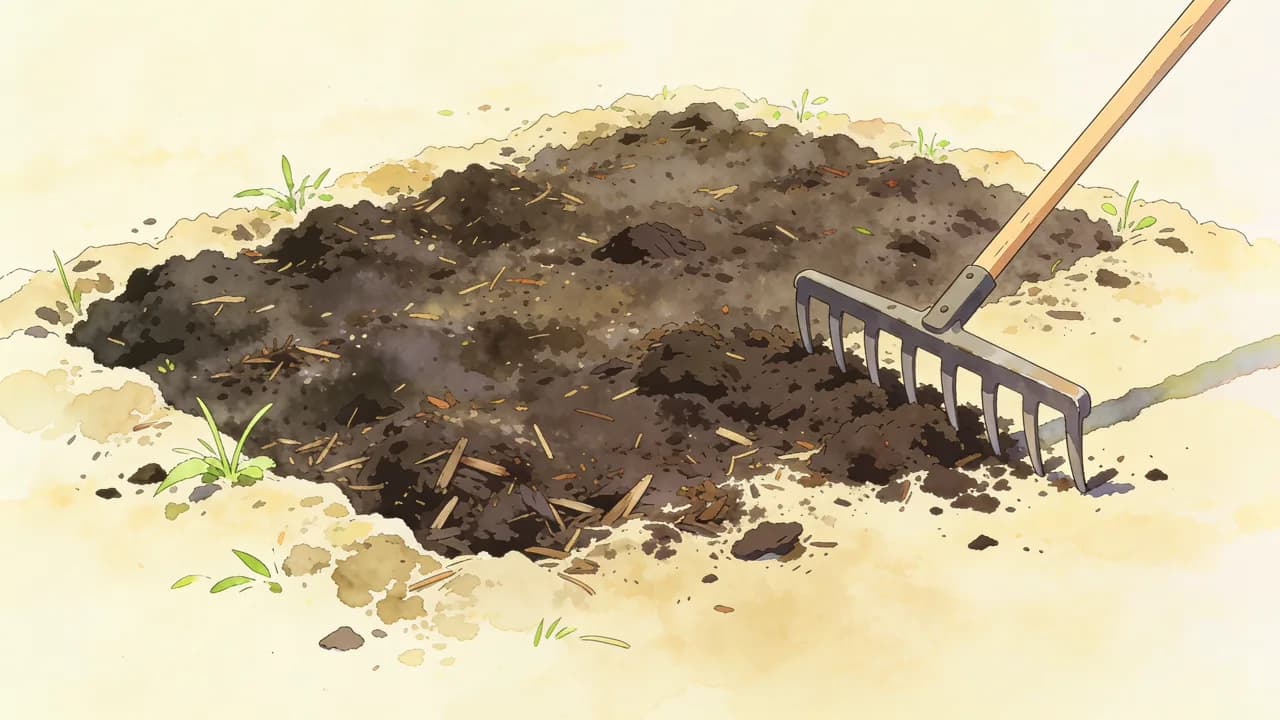
6. Half-made compost
A layer of 2-3 cm (0.8–1.2 in) serves as mulch and fertiliser at the same time.
7. Stones or gravel
Only for Mediterranean dryland plants (rosemary, lavender, thyme). They add nothing to the soil and accumulate heat, so do not use them with vegetables.
Materials to avoid
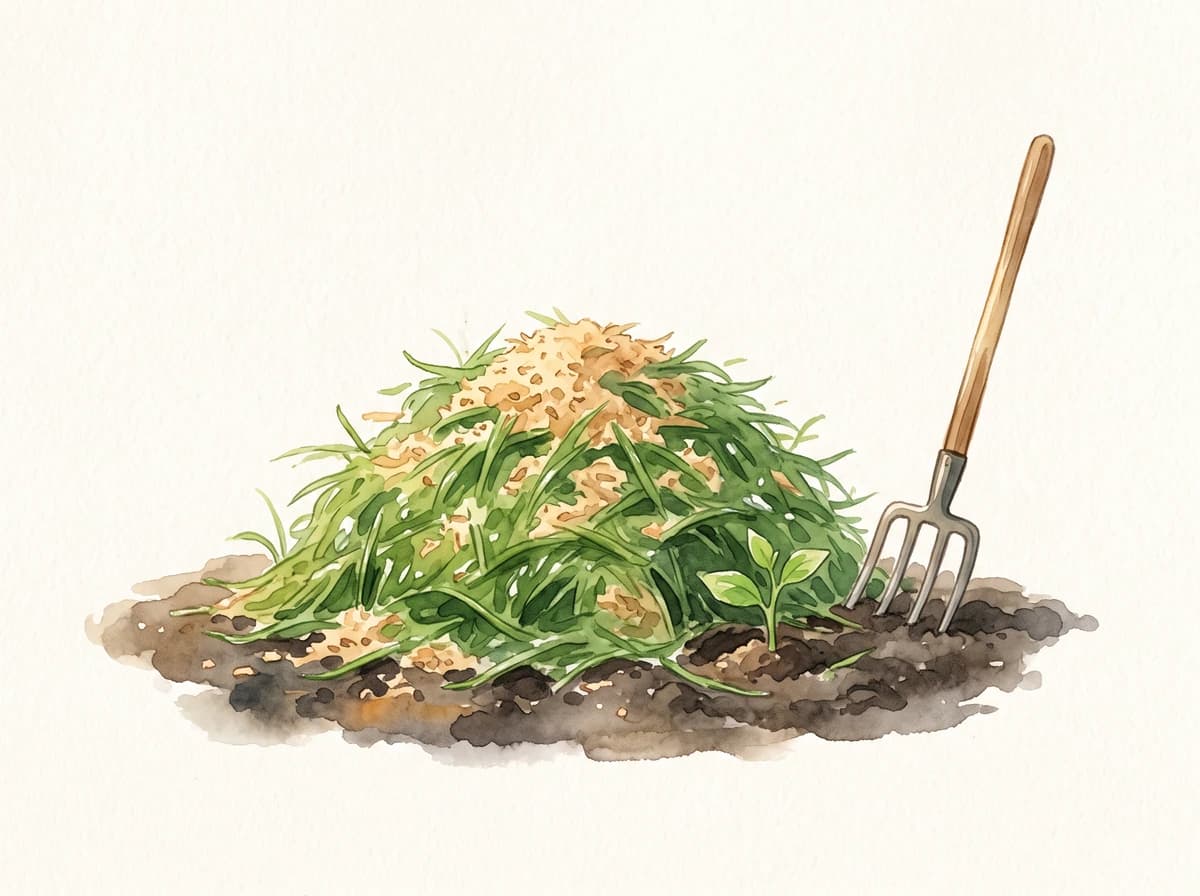
- Dyed pine bark: it carries dyes of uncertain origin and adds no more than the undyed kind.
- Continuous black plastic: it lets neither rainwater nor air through, and in summer it heats the soil a lot. If you use it, make it perforated and with drip irrigation underneath.
- Grass with seeds: you sow the weeds you want to avoid.
- Remains of diseased plants: they spread the disease.
How and when to apply
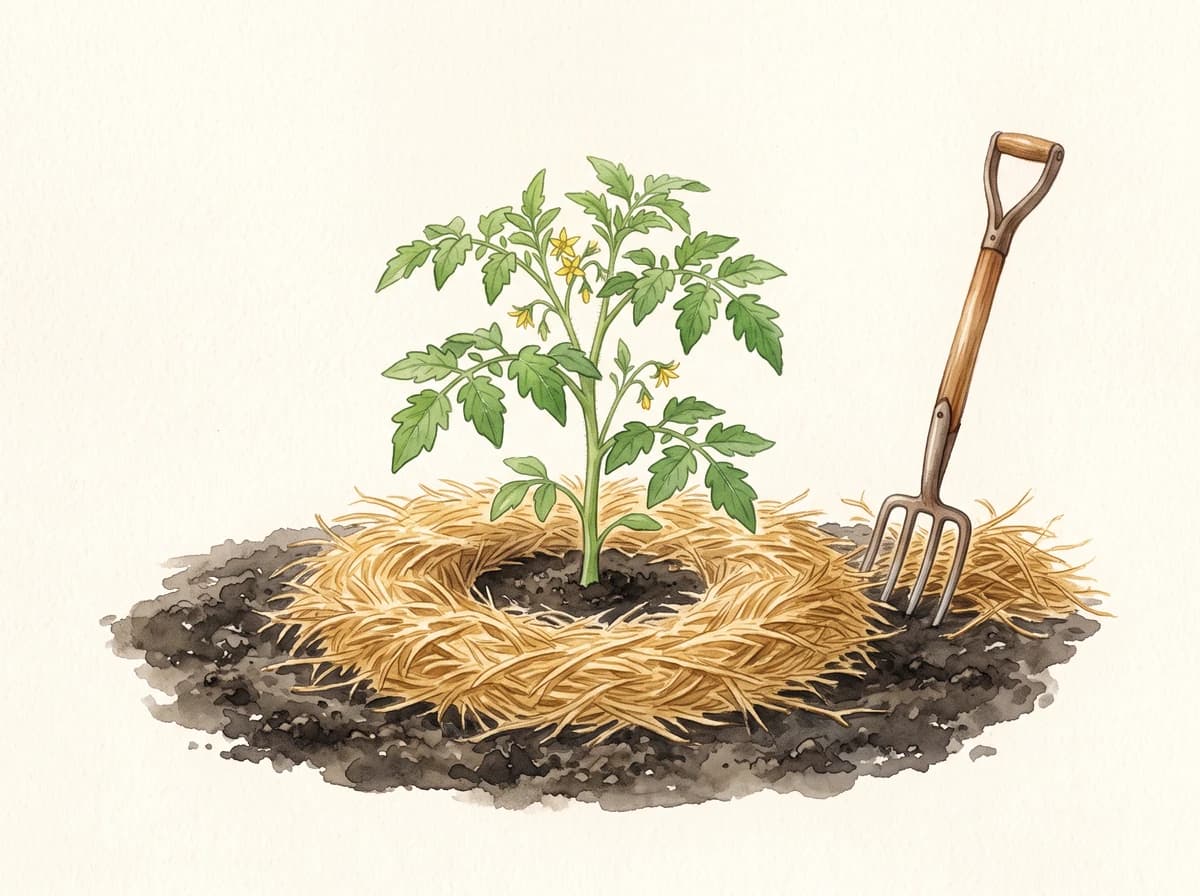
The rule is simple: mulch when the soil is warm and damp, and never right up against the plants.
- On damp soil. Water thoroughly before mulching, or take advantage of a day after rain. If you put the mulch on dry soil, the moisture does not get in afterwards.
- Not on frozen soil. Mulch holds the cold and delays the warming of the soil in spring.
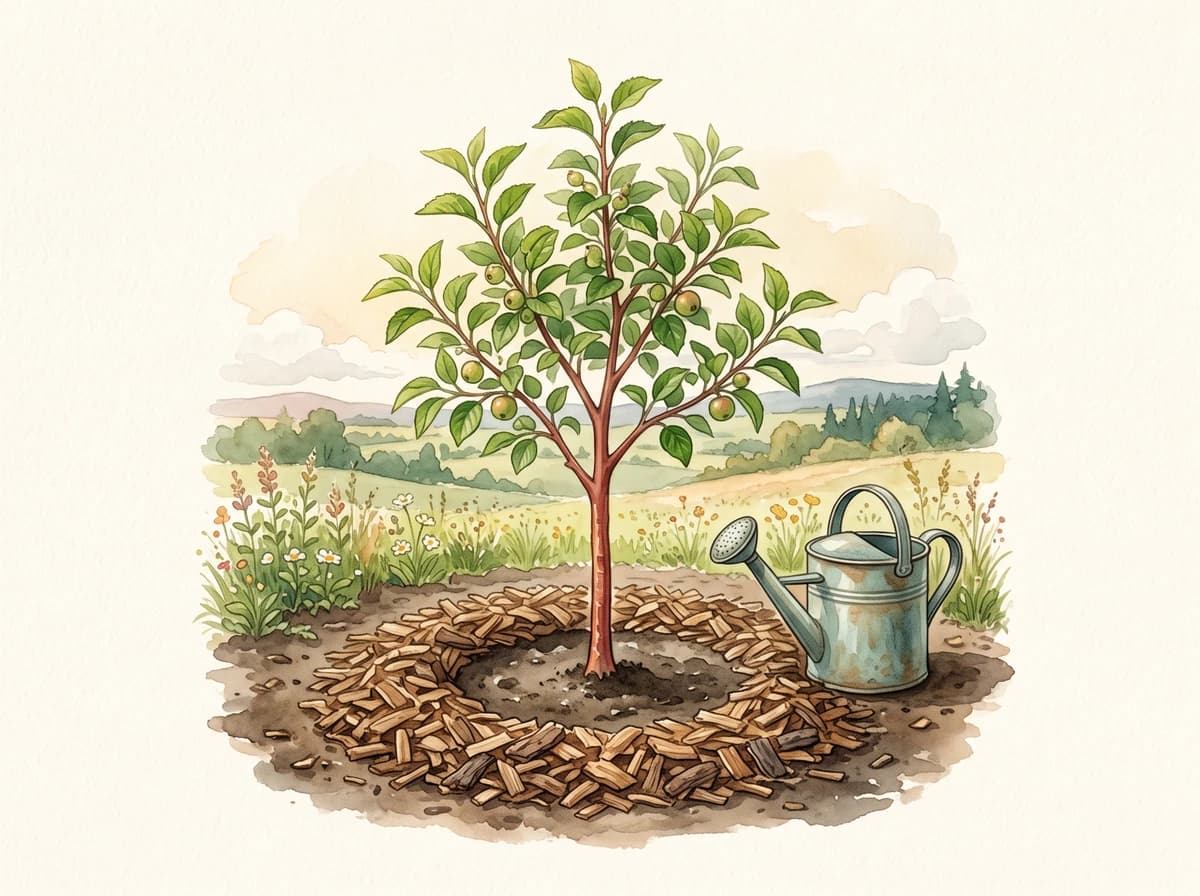
- Leave 3-5 cm (1.2–2 in) free around the neck of the plant. If the material touches the stem, it holds moisture and can rot it.
- Renew it when the layer drops to about 2 cm (0.8 in). Depending on the material, that happens every 1-3 months (grass, compost) or once or twice a year (straw, leaves).
Typical mistakes
Too little
With 1 cm (0.4 in) it does almost nothing. For it to hold back weeds and keep moisture, you need 5-8 cm (2–3.1 in) of straw or leaves (2-3 cm, 0.8–1.2 in if it is dry grass or compost).
Too close to the stem
The neck of the plant needs to be aired. If the mulch covers it, it rots.
Applying on dry soil
You insulate the drought instead of the moisture. Water before and mulch after.
Using scraps with chemicals
Straw from treated fields or lawn with herbicide can harm plants and soil life. Always ask where it comes from.
On permanent crops (strawberry, herbs, fruit trees)
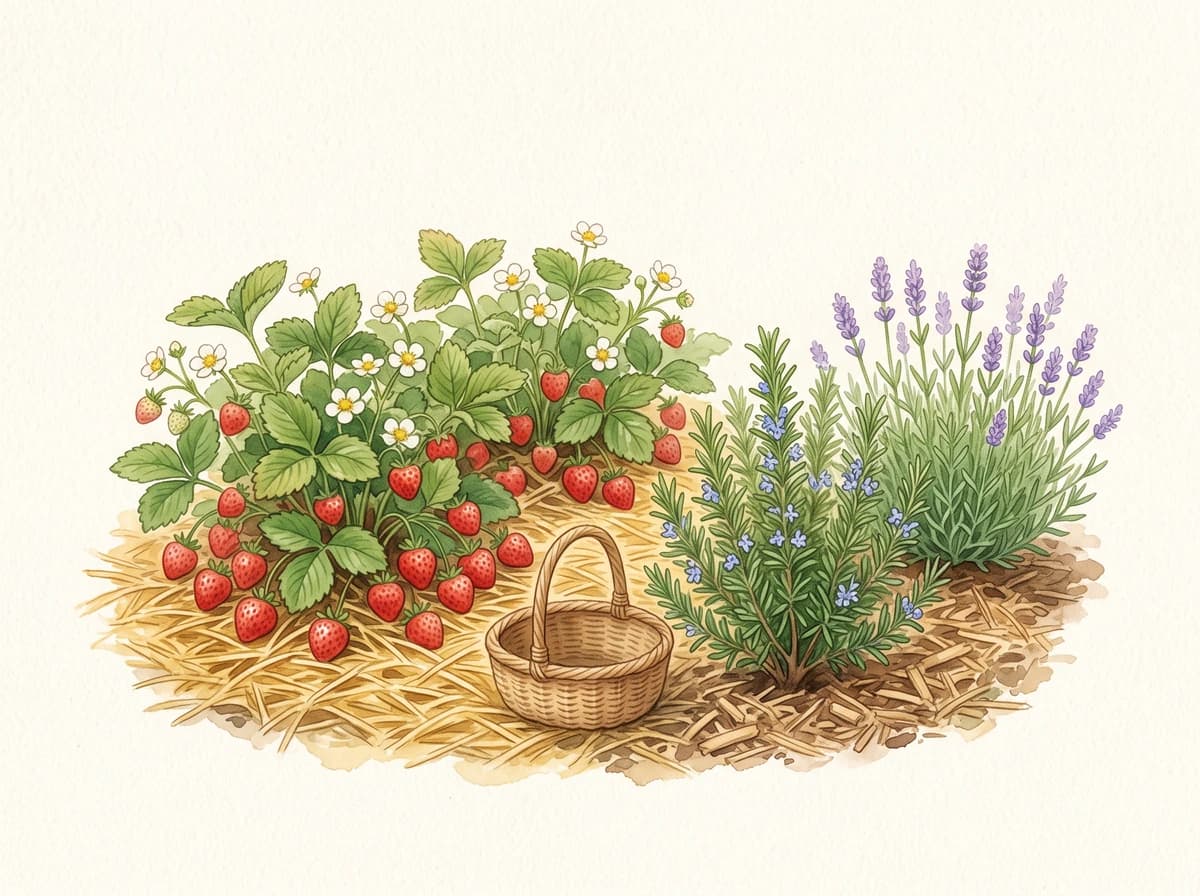
Apply the mulch in spring, when the soil is already warm, to a thickness of 5-8 cm (2–3.1 in). In autumn add another layer to replace what has broken down.
On annual vegetables
Mulch after transplanting, or when the plant is about 15 cm (5.9 in) if you sowed it directly. When the crop is over, move the rest of the mulch aside or work it in shallowly with the hoe. The following spring, add compost and a new layer.
Cumulative effect
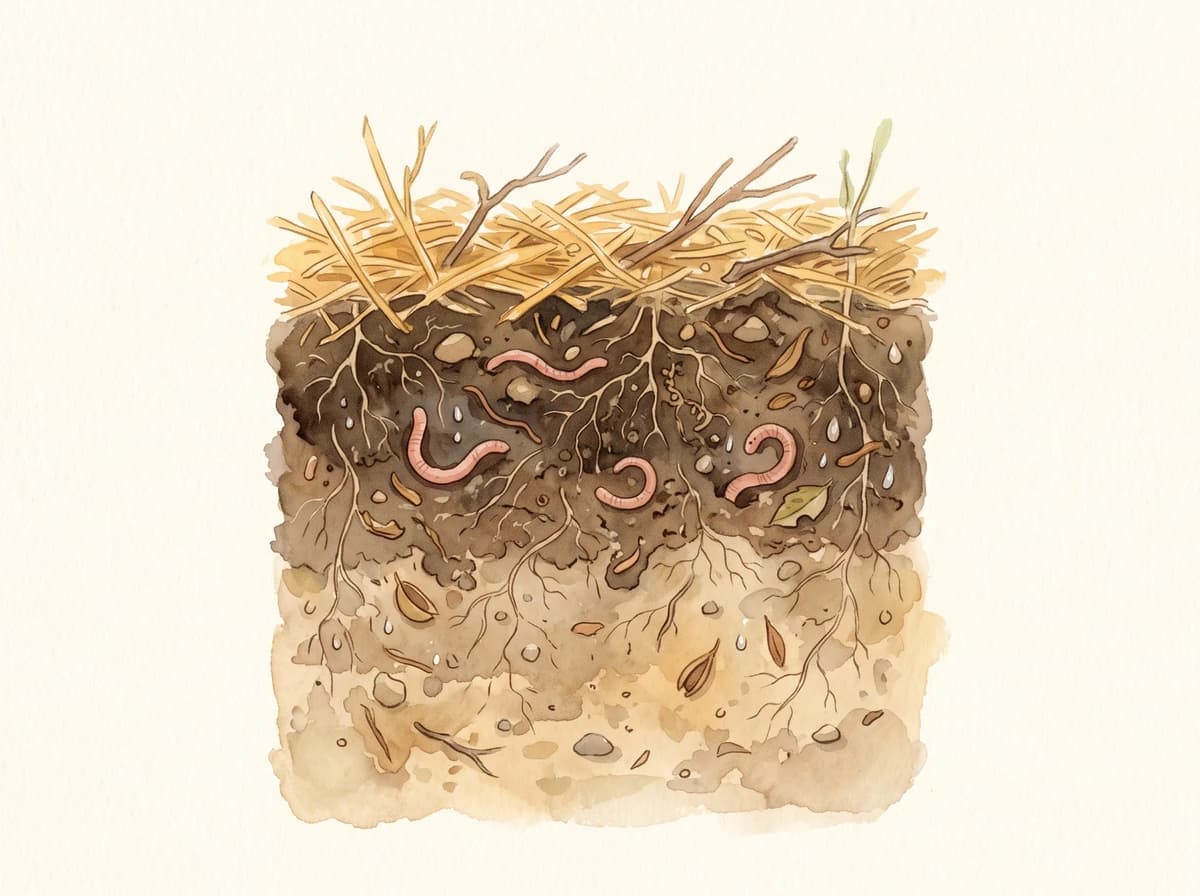
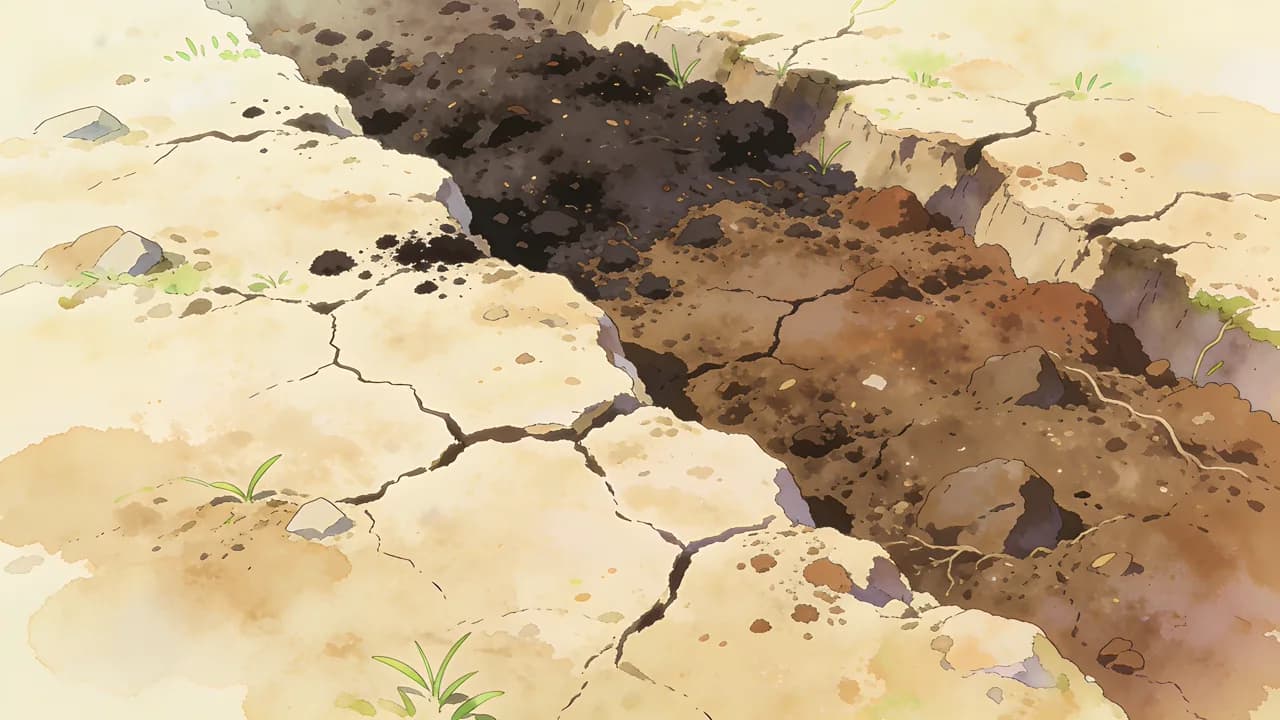
With several years of mulching, the soil goes from compacted to fluffy, there are more worms, you water less and annual weeds are greatly reduced. It is one of the techniques that gives the most return per hour of work. Start when you can.

Greens, browns, moisture and troubleshooting.