Credits and licences
- #1 — vueltaalhuerto illustration
- #2 — vueltaalhuerto illustration
- #3 — vueltaalhuerto illustration
- #4 — vueltaalhuerto illustration
- #5 — vueltaalhuerto illustration
- #6 — vueltaalhuerto illustration
- #7 — vueltaalhuerto illustration
- #8 — vueltaalhuerto illustration
- #9 — vueltaalhuerto illustration
- #10 — vueltaalhuerto illustration
Woodland tobacco
and 1 more names
tobacco plantWoodland tobacco is sown in seed trays from February to April or directly outdoors from April to May, and planted out in May. It flowers from July to October. Grow it in sun or partial shade, 50 cm apart, with moderate watering. Dates are for a mild temperate climate in the northern hemisphere; the calendar below adjusts them to your zone.
What else to sow in February, March, April and May
A tall ornamental plant, 1 to 1.5 m and sometimes up to 2 m, with a basal rosette of large, soft leaves covered in sticky hairs, and branching stems that, from midsummer to autumn, are laden with clusters of very long, tubular, drooping white flowers with star-shaped mouths. They are scented above all at dusk and at night and attract moths. It is grown as an annual, although in frost-free climates it lives for a few years. It is not smoking tobacco (Nicotiana tabacum). Like the whole genus, the entire plant is toxic because of its nicotine: do not swallow it or leave it within reach of children and pets.
Family and origin: Nightshade family (Solanaceae) · native to Argentina and Bolivia · More plants from South America
01In your area
How will it do in your garden?
Year calendar
| Task | J | F | M | A | M | J | J | A | S | O | N | D |
|---|---|---|---|---|---|---|---|---|---|---|---|---|
| Seed trayFeb–Apr | no | yes | yes | yes | no | no | no | no | no | no | no | no |
| Direct sowingApr–May | no | no | no | yes | yes | no | no | no | no | no | no | no |
| Plant / transplantMay | no | no | no | no | yes | no | no | no | no | no | no | no |
| HarvestJul–Oct | no | no | no | no | no | no | yes | yes | yes | yes | no | no |
| FloweringJul–Oct | no | no | no | no | no | no | yes | yes | yes | yes | no | no |
Its life cycle at a glance
Swipe and tap a stage to see its details.
02Planting
Where and how to plant it
Leave 50 cm between plants and 60 cm between rows; give it a stake from the start.
50 cm between plants · 60 cm between rows
Seedlings are planted with the root ball level with the soil.
- Transplanting
- May
- Seed tray
- Feb–Apr
- Direct sowing
- Apr–May
- Germination
- ~10 days
- TipPlace it at the back of a border or next to a seat, where you can smell it at night, about 50 cm from other plants and staked if it is windy.
- TipSAFETY WARNING: the whole plant contains nicotine and other alkaloids and is toxic if swallowed; contact with the wet leaves and sticky hairs can irritate the skin, so work with gloves and wash your hands.
- Common mistakeSowing out of season: many need warmth or a cold spell beforehand to sprout.
03Care
Care through the year
Sun and aspectSun and shade · 5 h of sun · shade in summer
- Too little sun
- Ideal range
- Plenty of sun
East, or south with light shade during the middle of the day
Moderate sun: Copes with full sun, but give it some shade during heatwaves.
Morning sun and light shade during the middle of the day in summer; the leaves wilt in strong heat and dry soil.
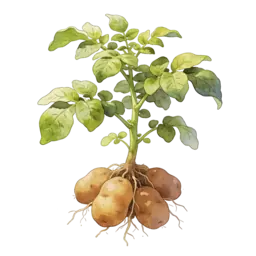
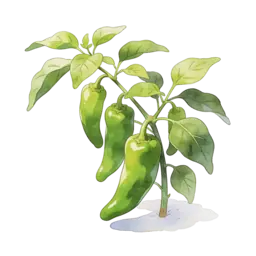
- TipAs a member of the nightshade family it shares pests and viruses with tomato, potato and pepper: do not plant it right next to them.
WateringMoist but never waterlogged · summer: every 2-3 days
- Summerevery 2-3 days1.2 L per plant/week
- Spring / Autumnevery 4-5 days0.6 L per plant/week
- Winterevery 2-3 weeks0.2 L per plant/week
Moist but never waterlogged: Water before the surface is completely dry. Never puddles. Mulch: straw or dry plant material cuts watering by 30-50 %.
Regular watering, without waterlogging, and fertile, cool soil. It appreciates a layer of mulch.
When to water? Push your finger 3 cm into the soil next to the base of the plant:
- Damp: soil sticks to your finger. Do not water today. The moisture is fine.
- Cool but clean, no mud. Water early tomorrow if it stays like this, or this evening.
- Dry and dusty. Water now, and deeply. This is not where it likes to be.
Soil and feedingpH 6–7.5 · Loose soil with organic matter and good drainage
Loose soil with organic matter and good drainage.
50 % topsoil · 30 % well-rotted compost · 20 % sand or perlite.
Medium/high.
This plant prefers a pH between 6.0 and 7.5 (slightly acidic to slightly alkaline).
- Overfeeding gives lots of leaf and few flowers.
- Compacted, poorly drained soil rots the roots in winter.
- Common mistakeOverfeeding gives lush leaves but few flowers.
Pruning
- TipRemove the faded flowers to prolong flowering, or leave them if you want it to self-seed.
- TipRemove faded flowers to prolong flowering.
Common mistakes and tips
- TipCheck for aphids and whitefly.
- TipDo not smoke it or use it to make infusions or home-made insecticides.
- TipThe figures for height and flowering are approximate.
04Harvest
Harvesting and storing
Harvest in Jul–Oct.
05Propagation
Make new plants
It is propagated from seed, as fine as dust, which needs light to germinate: sow it on the surface, uncovered, in a seed tray under cover from the end of winter, at about 18 to 25 °C. It comes up in one to two weeks; prick out the seedlings when they have two or three true leaves and plant them out in their final position after the last frosts. It can also be sown directly into warm soil in spring. In a garden it self-seeds.
Seeds: how to germinate them~10 days
06Uses and health
What it is used for, and with what care
SAFETY WARNING: the whole plant (leaves, stems, flowers, capsules and seeds) contains nicotine and other alkaloids and is toxic if swallowed; in small children and pets a small amount can cause nausea, vomiting, salivation, tremors and heart and breathing problems. Place it out of reach of children, dogs and cats and keep an eye on the seed capsules. The sticky hairs and the sap can irritate the skin, and handling wet leaves can cause dizziness and nausea (green tobacco sickness): wear gloves and wash your hands. Do not smoke it, chew it or use it to make infusions, extracts or home-made insecticides. If you suspect it has been swallowed, in Spain call the Toxicology Information Service (91 562 04 20), or call the vet.
- Properties
- A scented ornamental plant with no safe food or medicinal use.
- Uses
- It is not edible.
For guidance only; this is not medical treatment and does not replace advice from a doctor or vet.
07Companions and related plants
What to plant it with

Compare with similar varieties
| Variety | Sowing | Harvest | Days | Spacing | Difficulty |
|---|---|---|---|---|---|
| Tobacco (ornamental plant) | Feb–Apr | — | — | 70 cm | Easy |
| Woodland tobacco | Feb–May | Jul–Oct | — | 50 cm | Easy |
| Aztec tobacco (wild tobacco) | Feb–Apr | — | — | 50 cm | Easy |
08Pests and diseases
Critters and ailments to keep an eye on
The most common ones on this plant. Tap one to see how to recognise it and what to do.