
Credits and licences
- #1 — vueltaalhuerto illustration
- #2 — vueltaalhuerto illustration
- #3 — vueltaalhuerto illustration
- #4 — vueltaalhuerto illustration
- #5 — vueltaalhuerto illustration
- #6 — vueltaalhuerto illustration
- #7 — vueltaalhuerto illustration
- #8 — vueltaalhuerto illustration
- #9 — vueltaalhuerto illustration
- #10 — vueltaalhuerto illustration
Wild thyme
and 1 more names
thymeWild thyme is sown in seed trays from February to March or directly outdoors from April to May and in September, and planted out from March to May and from September to October. It is harvested from May to September. Grow it in full sun, 25 cm apart, with little watering. Dates are for a mild temperate climate in the northern hemisphere; the calendar below adjusts them to your zone.
What else to sow in February, March, April, May and September
A low, creeping sub-shrub with woody stems that spreads into a carpet 5 to 10 cm high, with tiny, oval, aromatic leaves and rounded heads of purplish-pink flowers from spring into summer. It is the wild thyme of pastures and stony ground throughout Europe, smaller and more creeping than common thyme (Thymus vulgaris), with a similar but milder scent. It makes a ground cover in rock gardens, between the paving stones of a path or along sunny edges, and is much visited by bees and butterflies. The flowering stems are dried for infusions and to flavour stews. It is very resistant to cold and drought, and does not tolerate waterlogging. In Spanish the name ‘serpol’ is applied to several species of creeping thyme, and ‘sanjuanero’ thyme is the one gathered around Midsummer (St John's Day).
Family and origin: Mint family (Lamiaceae) · native to Europe, from the Mediterranean region to the centre and north of the continent · More plants from Temperate Europe
01In your area
How will it do in your garden?
Year calendar
| Task | J | F | M | A | M | J | J | A | S | O | N | D |
|---|---|---|---|---|---|---|---|---|---|---|---|---|
| Seed trayFeb–Mar | no | yes | yes | no | no | no | no | no | no | no | no | no |
| Direct sowingApr–May, Sep | no | no | no | yes | yes | no | no | no | yes | no | no | no |
| Plant / transplantMar–May, Sep–Oct | no | no | yes | yes | yes | no | no | no | yes | yes | no | no |
| HarvestMay–Sep | no | no | no | no | yes | yes | yes | yes | yes | no | no | no |
| FloweringJun–Aug | no | no | no | no | no | yes | yes | yes | no | no | no | no |
| PruningJul–Aug | no | no | no | no | no | no | yes | yes | no | no | no | no |
| CuttingsJun–Aug | no | no | no | no | no | yes | yes | yes | no | no | no | no |
| Divide the clumpMar–Apr, Sep | no | no | yes | yes | no | no | no | no | yes | no | no | no |
Its life cycle at a glance
Swipe and tap a stage to see its details.
02Planting
Where and how to plant it
Sow the seed 2 mm deep; leave 25 cm between plants and 30 cm between rows.
25 cm between plants · 30 cm between rows
Seed at a depth of 2 mm; seedlings go in with the root ball level with the soil.
- In a square-foot bed
- 1 plant per square30 × 30 cm squares
- Transplanting
- Mar–May, Sep–Oct
- Seed tray
- Feb–Mar
- Direct sowing
- Apr–May, Sep
- TipTrim it lightly after flowering so that it does not thin out in the centre.
03Care
Care through the year
Sun and aspectFull sun · 8 h of sun · South or south-west, with nothing casting shade at midday
- Too little sun
- Ideal range
- Plenty of sun
South or south-west, with nothing casting shade at midday
Strong sun: Loves full midday sun and high temperatures.
Full sun. In shade it becomes loose and flowers little; in very hot summers it tolerates light afternoon shade.
WateringLet it dry out between waterings · summer: every 5-7 days
- Summerevery 5-7 days0.4 L per plant/week
- Spring / Autumnevery 10-14 days0.2 L per plant/week
- Winteronly in extreme drought (once a month)0.1 L per plant/week
Let it dry out between waterings: A Mediterranean favourite: better thirsty than overwatered.
Water once a week while it establishes and afterwards only in long droughts. It needs poor, stony, very free-draining soil: with its base waterlogged, especially in winter, it rots.
When to water? Push your finger 5 cm into the soil next to the base of the plant:
- Damp: soil sticks to your finger. Do not water yet. It has more than enough; wait for it to dry out more.
- Cool but clean, no mud. Wait another 1-2 days before watering.
- Dry and dusty. Water now, but moderately. Do not overdo it: it prefers thirst to excess.
- Common mistakeOverwatering: most prefer to dry out between waterings.
Soil and feedingpH 6–8 · Free-draining, airy mix
Free-draining, airy mix.
40 % topsoil · 30 % coarse sand or perlite · 30 % well-rotted compost (less compost for Mediterranean herbs).
High: almost all prefer being thirsty to being wet.
This plant prefers a pH between 6.0 and 8.0 (slightly acidic to alkaline).
- Mediterranean herbs in very rich, heavily watered soil: they grow a lot but lose their aroma.
- A pot without a drainage hole: the roots rot within weeks.
PruningWhen: Jul–Aug
Pruning time for this plant: Jul–Aug.
- TipPinch out the tips often so it branches and does not run to seed so soon.
Common mistakes and tips
- TipIt can take moderate foot traffic and is used between paving stones.
- Common mistakeLetting them flower early makes the leaves bitter (in leafy herbs).
04Harvest
Harvesting and storing
Harvest in May–Sep.
- TipTo harvest the plant, cut the flowering stems when most of the flower heads are open, tie them in small bunches and dry them in the shade in an airy place.
05Propagation
Make new plants
It is propagated from semi-ripe cuttings 5 to 8 cm long in summer, by dividing the clump in spring or autumn, or from seed. The seed is tiny and germinates slowly and unevenly: sow it on the surface, uncovered, in a seed tray at about 15 to 20 °C, and it comes up in two or three weeks. Named cultivars, and any particular ‘sanjuanero’ thyme you want to keep, are best propagated by cuttings or division, because seed can produce somewhat different plants.
Seeds: how to germinate them~18 days
06Uses and health
What it is used for, and with what care
- Properties
- It is a nectar-rich plant much visited by bees and butterflies, and its aromatic stems have traditionally been used in infusions and as a seasoning.
- Uses
- The leaves and flowers, fresh or dried, are used in small amounts as a seasoning in stews, meat, cheeses and pickles, and in infusions like thyme. Gather the flowering stems away from paths, treated crops and places frequented by dogs.
For guidance only; this is not medical treatment and does not replace advice from a doctor or vet.
07Companions and related plants
What to plant it with
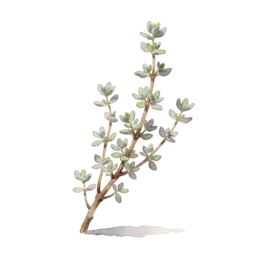


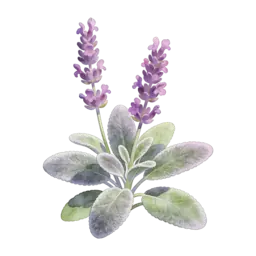
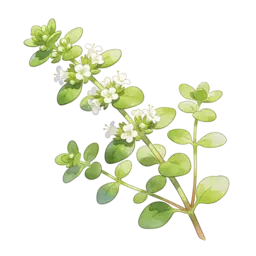
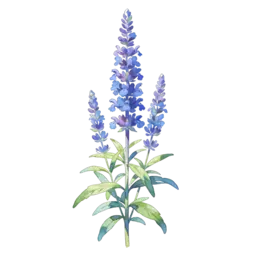
Group it in the same bedPlants with the same watering or the same sun
They are not essential companions, but you will not have to water or position them differently.
No known toxicity to people or pets
No toxicity is known in culinary amounts. As with other thymes, the concentrated essential oil can irritate the skin and mucous membranes and is not for swallowing. If you have a medical condition, or during pregnancy and breastfeeding, consult a professional before taking it as a regular infusion. Cats are sensitive to essential oils: do not use thyme oil near them.