
Credits and licences
- #1 — vueltaalhuerto illustration
- #2 — vueltaalhuerto illustration
- #3 — vueltaalhuerto illustration
- #4 — vueltaalhuerto illustration
- #5 — vueltaalhuerto illustration
- #6 — vueltaalhuerto illustration
- #7 — vueltaalhuerto illustration
- #8 — vueltaalhuerto illustration
- #9 — vueltaalhuerto illustration
- #10 — vueltaalhuerto illustration
Spiked speedwell
Spiked speedwell is sown in seed trays from February to March or directly outdoors from April to May and in September, and planted out from April to May and from September to October. It flowers from June to August. Grow it in full sun, 35 cm apart, with moderate watering. Dates are for a mild temperate climate in the northern hemisphere; the calendar below adjusts them to your zone.
What else to sow in February, March, April, May and September
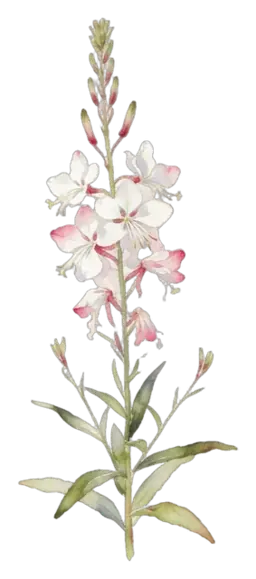
A low, clump-forming perennial, 30 to 60 cm tall, that forms a cushion of dark green, lance-shaped, toothed leaves, from which numerous upright, dense spikes rise in summer, covered in tiny violet-blue four-petalled flowers with two protruding stamens. It flowers from June to September, longer if the faded spikes are cut off, and attracts honeybees, bumblebees and butterflies. It is very hardy, withstands hard frosts and moderate drought, and looks good in sunny borders, rockeries and beds, alongside salvias, lavenders and echinaceas. Garden varieties have blue, pink or white flowers. It is not grown for eating or for home remedies. Do not confuse it with the small-flowered wild speedwells (Veronica persica or V. officinalis), which are different species, or with the shrubby veronicas (Hebe) of coastal gardens.
Family and origin: Plantain family (Plantaginaceae) · native to Europe and temperate Asia; in the Iberian Peninsula, in dry mountain meadows and rocky ground. Widely grown as an ornamental · More plants from Temperate Europe
01In your area
How will it do in your garden?
Year calendar
| Task | J | F | M | A | M | J | J | A | S | O | N | D |
|---|---|---|---|---|---|---|---|---|---|---|---|---|
| Seed trayFeb–Mar | no | yes | yes | no | no | no | no | no | no | no | no | no |
| Direct sowingApr–May, Sep | no | no | no | yes | yes | no | no | no | yes | no | no | no |
| Plant / transplantApr–May, Sep–Oct | no | no | no | yes | yes | no | no | no | yes | yes | no | no |
| HarvestJun–Sep | no | no | no | no | no | yes | yes | yes | yes | no | no | no |
| FloweringJun–Aug | no | no | no | no | no | yes | yes | yes | no | no | no | no |
| PruningJul, Oct | no | no | no | no | no | no | yes | no | no | yes | no | no |
| Divide the clumpMar–Apr, Sep–Oct | no | no | yes | yes | no | no | no | no | yes | yes | no | no |
Its life cycle at a glance
Swipe and tap a stage to see its details.
02Planting
Where and how to plant it
The seed goes on the surface, uncovered; leave 35 cm between plants and 40 cm between rows.
35 cm between plants · 40 cm between rows
Seed at ground level; seedlings go in with the root ball level with the soil.
- Transplanting
- Apr–May, Sep–Oct
- Seed tray
- Feb–Mar
- Direct sowing
- Apr–May, Sep
- Germination
- ~21 days
- Common mistakeSowing out of season: many need warmth or a cold spell beforehand to sprout.
03Care
Care through the year
Sun and aspectFull sun · 8 h of sun · South or south-west, with nothing casting shade at midday
- Too little sun
- Ideal range
- Plenty of sun
South or south-west, with nothing casting shade at midday
Strong sun: Loves full midday sun and high temperatures.
Full sun for plenty of flowers and firm stems; it tolerates some light shade, especially in hot areas, although it flowers less and flops more.
WateringMoist but never waterlogged · summer: every 2-3 days
- Summerevery 2-3 days1.2 L per plant/week
- Spring / Autumnevery 4-5 days0.6 L per plant/week
- Winterevery 2-3 weeks0.2 L per plant/week
Moist but never waterlogged: Water before the surface is completely dry. Never puddles. Mulch: straw or dry plant material cuts watering by 30-50 %.
Water regularly in the first summer and after that give deep, infrequent waterings. It copes well with moderate drought and poor soils, but not with waterlogging, especially in winter, which rots the crown.
When to water? Push your finger 3 cm into the soil next to the base of the plant:
- Damp: soil sticks to your finger. Do not water today. The moisture is fine.
- Cool but clean, no mud. Water early tomorrow if it stays like this, or this evening.
- Dry and dusty. Water now, and deeply. This is not where it likes to be.
Soil and feedingpH 6–7.5 · Loose soil with organic matter and good drainage
Loose soil with organic matter and good drainage.
50 % topsoil · 30 % well-rotted compost · 20 % sand or perlite.
Medium/high.
This plant prefers a pH between 6.0 and 7.5 (slightly acidic to slightly alkaline).
- Overfeeding gives lots of leaf and few flowers.
- Compacted, poorly drained soil rots the roots in winter.
- TipPlant it in the sun, in well-drained soil that is not too rich, about 35 cm from other plants.
- TipWatch out for powdery mildew, leaf spot and aphids, especially in damp or poorly ventilated soils.
- Common mistakeOverfeeding gives lush leaves but few flowers.
PruningWhen: Jul, Oct
Pruning time for this plant: Jul, Oct.
- TipRemove faded flowers to prolong flowering.
Common mistakes and tips
- TipCut off faded spikes to prolong flowering and, in autumn, cut the dead stems back almost to ground level.
04Harvest
Harvesting and storing
Harvest in Jun–Sep.
05Propagation
Make new plants
The most reliable way is to divide the clump in spring or early autumn, every three or four years, separating pieces with roots and several shoots; this gives plants identical to the parent, with the same flower colour. It can also be grown from seed, sown on the surface because it is very fine and needs light, in a tray at about 15 to 21 °C; it germinates in two to four weeks and the plants flower the following year. Semi-ripe cuttings can be taken in late summer. Named varieties are propagated by division.
Seeds: how to germinate them~21 days
- TipDivide it every three or four years if the clump thins out in the centre.
06Uses and health
What it is used for, and with what care
NOTICE: there are no reliable data on the toxicity of this species to people, dogs and cats, so as a precaution do not eat it and stop children and pets from chewing the leaves, stems or flowers. If a significant amount is swallowed, consult a doctor or vet.
- Properties
- It produces very long-lasting, showy flowers from summer to autumn with very little care, and feeds honeybees, bumblebees and butterflies, as well as coping well with cold and moderate drought.
- Uses
- It is not grown for eating and is not used in infusions or home remedies. Do not confuse it with the wild medicinal speedwell (Veronica officinalis) or with other wild speedwells, which are different species.
For guidance only; this is not medical treatment and does not replace advice from a doctor or vet.
07Companions and related plants
What to plant it with
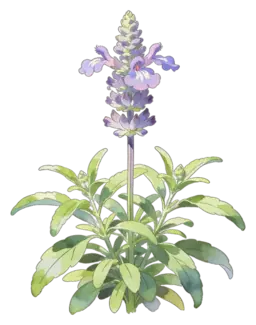
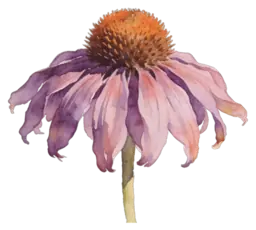
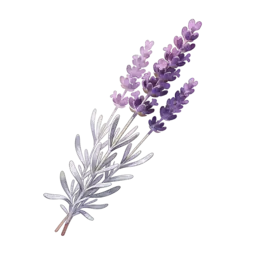
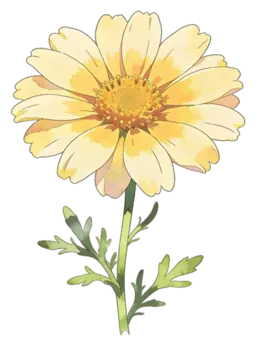
Compare with similar varieties
| Variety | Sowing | Harvest | Days | Spacing | Difficulty |
|---|---|---|---|---|---|
| Brooklime (Veronica beccabunga) | Mar–Apr | — | — | 30 cm | Easy |
| Spiked speedwell | Feb–May, Sep | Jun–Sep | — | 35 cm | Easy |
| Heath speedwell | Feb–Apr, Sep–Oct | Jun–Aug | ~120 | 30 cm | Easy |