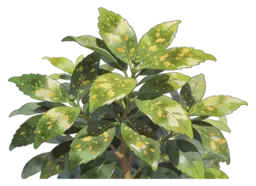
Credits and licences
- #1 — vueltaalhuerto illustration
- #2 — vueltaalhuerto illustration
- #3 — vueltaalhuerto illustration
- #4 — vueltaalhuerto illustration
- #5 — vueltaalhuerto illustration
- #6 — vueltaalhuerto illustration
- #7 — vueltaalhuerto illustration
- #8 — vueltaalhuerto illustration
- #9 — vueltaalhuerto illustration
- #10 — vueltaalhuerto illustration
Fatsia (Japanese aralia)
and 3 more names
glossy-leaf paper plant, Fatsia japonica, Fatsia japonica 'Spider's Web'Fatsia (Japanese aralia) is sown in seed trays from April to May, and planted out from March to May and from September to October. It flowers from October to November. Grow it in shade, 150 cm apart, with moderate watering. Dates are for a mild temperate climate in the northern hemisphere; the calendar below adjusts them to your zone.
What else to sow in April and May
An evergreen shrub with an open, rounded habit, 2 to 3 m tall and as much across in the garden, with sparsely branched stems and huge, glossy, palmate leaves with seven to nine lobes, up to 40 cm across, which give it a tropical look. In autumn it raises panicles of balls of tiny creamy-white flowers that attract bees, flies and wasps when almost nothing else is in flower, and in spring it leaves black berries that birds eat. It is one of the most rewarding plants for shady corners, patios, entrances and terraces, and when young it can be used as a houseplant in a cool spot. There are varieties with cream-edged or cream-splashed leaves, such as ‘Spider’s Web’, which are slower and somewhat more delicate. In a Mediterranean climate it prefers shade and suffers in strong sun, wind and dry heat. The berries are not eaten, and the sap and the fine hairs on young leaves can irritate the skin.
Family and origin: Ivy family (Araliaceae) · native to Southern Japan, southern Korea and Taiwan · More plants from Far East
01In your area
How will it do in your garden?
Year calendar
| Task | J | F | M | A | M | J | J | A | S | O | N | D |
|---|---|---|---|---|---|---|---|---|---|---|---|---|
| Seed trayApr–May | no | no | no | yes | yes | no | no | no | no | no | no | no |
| Plant / transplantMar–May, Sep–Oct | no | no | yes | yes | yes | no | no | no | yes | yes | no | no |
| FloweringOct–Nov | no | no | no | no | no | no | no | no | no | yes | yes | no |
| PruningApr–May | no | no | no | yes | yes | no | no | no | no | no | no | no |
| CuttingsJun–Aug | no | no | no | no | no | yes | yes | yes | no | no | no | no |
Its life cycle at a glance
Swipe and tap a stage to see its details.
02Planting
Where and how to plant it
Sow the seed 5 mm deep; leave 1.5 m between plants and 1.5 m between rows.
1.5 m between plants · 1.5 m between rows
Seed at a depth of 5 mm; seedlings go in with the root ball level with the soil.
- Transplanting
- Mar–May, Sep–Oct
- Seed tray
- Apr–May
- Germination
- ~45 days
- Common mistakePlanting too deep smothers the crown of the plant.
03Care
Care through the year
Sun and aspectShade · 3 h of sun · Cool north-facing spot or under the canopy of a deciduous tree
- Too little sun
- Ideal range
- Plenty of sun
Cool north-facing spot or under the canopy of a deciduous tree
Gentle sun: Morning or afternoon sun. Midday summer sun stresses and scorches it.
Shade or partial shade; in northern Spain and in mild climates it tolerates morning sun. In inland and southern Spain, direct afternoon sun and wind scorch and wither its leaves, which turn yellow and dry at the edges.
WateringMoist but never waterlogged · summer: every 2-3 days
- Summerevery 2-3 days6 L per plant/week
- Spring / Autumnevery 4-5 days3 L per plant/week
- Winterevery 2-3 weeks0.9 L per plant/week
Moist but never waterlogged: Water before the surface is completely dry. Never puddles. Mulch: straw or dry plant material cuts watering by 30-50 %.
Water regularly while it is establishing, and after that when the soil is dry a few centimetres below the surface. In summer and hot weather it appreciates more frequent watering; it does not tolerate prolonged drought or waterlogging. A mulch of bark or leaves keeps the roots moist and cool.
When to water? Push your finger 3 cm into the soil next to the base of the plant:
- Damp: soil sticks to your finger. Do not water today. The moisture is fine.
- Cool but clean, no mud. Water early tomorrow if it stays like this, or this evening.
- Dry and dusty. Water now, and deeply. This is not where it likes to be.
- TipWater generously in the first year until it is established; after that it looks after itself.
Soil and feedingpH 5.5–8 · Deep soil with good drainage
Deep soil with good drainage.
Medium/high.
This plant prefers a pH between 5.5 and 8.0 (slightly acidic to alkaline).
- Water generously in the first year until it is established.
- A thick mulch all year round, not touching the trunk.
- TipPlant it in a sheltered spot, in shade and out of the wind, in moisture-retentive soil rich in organic matter and with good drainage.
- TipIn a pot use a multi-purpose potting mix with a little sand and feed once a month in spring and summer.
PruningWhen: Apr–May
Pruning time for this plant: Apr–May.
- TipPrune in late winter or spring, cutting long stems just above a bud so that it branches, and remove leaves damaged by cold.
- TipFormative pruning after flowering keeps the shape compact.
- Common mistakePruning at the wrong time removes the year's flower buds.
Common mistakes and tips
- TipCheck the undersides of the leaves for scale insects, thrips and mealybugs.
04Propagation
Make new plants
It is mainly propagated by semi-ripe summer cuttings, 10 to 15 cm long, with one or two leaves cut in half, which root in a sandy potting mix within a few weeks or months. It can also be raised from seed, from the ripe black berries in spring: clean them, sow them fresh about 5 mm deep in a seed tray at 15 to 22 °C, and they come up in one to three months, unevenly. Seed-raised plants do not keep the variegated-leaved varieties, which are only preserved by cuttings.
Seeds: how to germinate them~45 days
05Uses and health
What it is used for, and with what care
WARNING: it is considered potentially toxic: its berries are ornamental and must not be eaten, and it recommends wearing gloves when handling it because the sap and the fine hairs on young leaves can irritate the skin. For dogs and cats the data are contradictory: it is not usually listed as toxic, but other sources cite it as a cause of digestive upset, so as a precaution treat it as mildly toxic and stop them chewing it or eating the berries. If an animal or a child swallows a large amount, consult a vet or a doctor. Do not confuse it with ivies and other members of the Araliaceae, which are more toxic.
- Properties
- It is an ornamental plant; it has no edible or medicinal uses in the kitchen or garden. Its autumn flowers provide nectar for insects when it is scarce.
- Uses
- Not edible: neither the leaves nor the berries are eaten.
For guidance only; this is not medical treatment and does not replace advice from a doctor or vet.
06Companions and related plants