In this article (19 sections)
Harvesting at just the right moment makes the difference between a delicious vegetable and an ordinary one. These are the signs worth looking for in each crop, and at the end you have an indicative calendar.
Tomato
Signs:
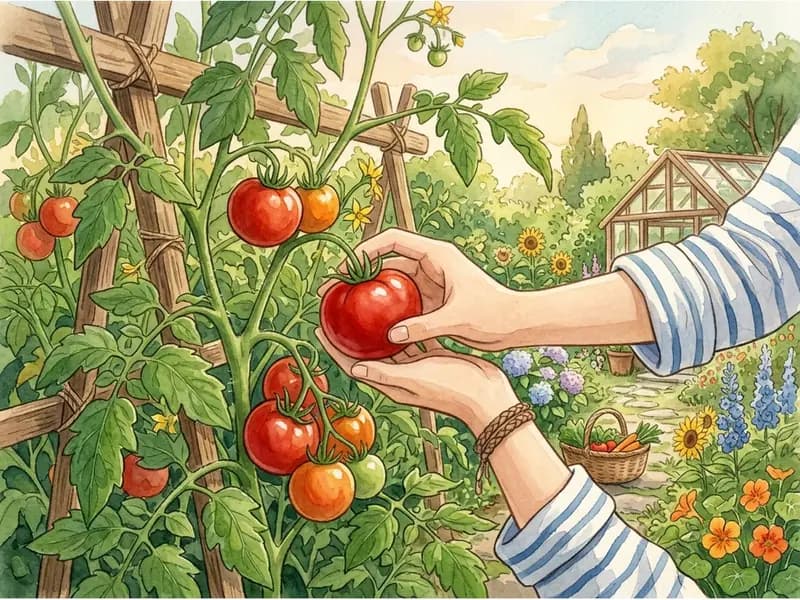
- Even colour of the final colour (red, yellow, pink, depending on variety).
- Gives slightly to the touch.
- Comes away by itself with a gentle twist of the little stalk.
- An intense tomatoey scent when you smell it.
It is best to harvest early in the morning, with the fruit cool.
If you are going to eat it within a day or two, let it ripen fully on the plant, which is where it tastes best. If you are going to store or transport it, pick it when it starts to turn from green to its final colour and finish ripening it at home, at room temperature and out of the fridge.
Courgette
Signs:
- 20-25 cm (7.9–9.8 in) long, no more.
- Shiny skin and firm when you gently press with a fingernail.
- Past 30 cm (11.8 in) the flesh turns spongy with hard seeds.
At full production it is worth passing by every 2-3 days. If you let the big fruit grow, the plant slows the production of new ones.
Cucumber
Signs:
- 15-20 cm (5.9–7.9 in) (depending on variety; some reach 30 cm, 11.8 in).
- Intense, shiny green.
- Still firm, not soft.
When in doubt, harvest a bit early: a slightly small cucumber is still good, and one that goes past its best turns yellow and fills with hard seeds.
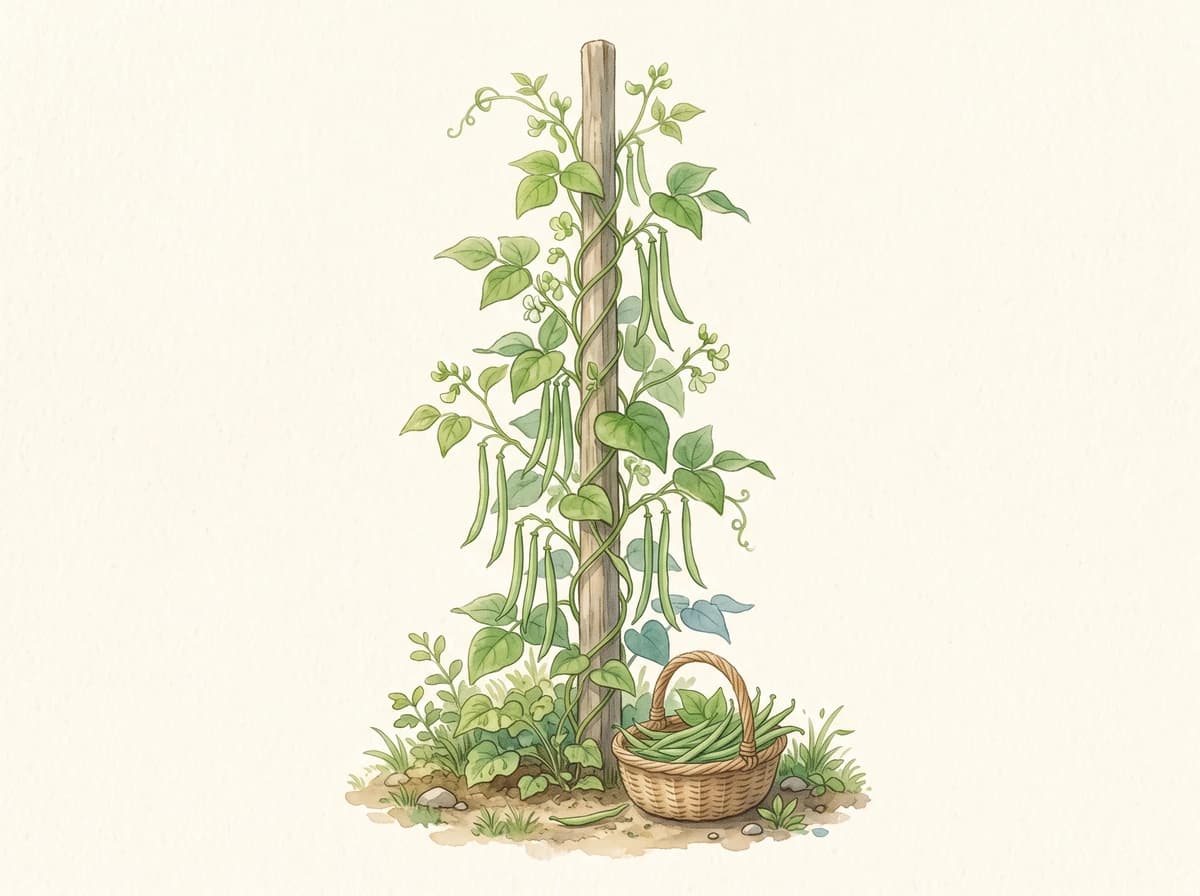
Green bean
Signs:
- Firm pod that snaps with a crack when bent.
- Seeds still not very marked under the pod.
- Intense green (if it is a green variety, yellowing indicates it has gone over; yellow-podded varieties, such as butter beans, are a different matter).
Pick every 2-3 days. If you let the pods fill out, the plant reduces flowering.
Lettuce
Signs:
- Large leaves, the size of a hand.
- Not yet bolting (no central stem forming).
- Firm to the touch.
To lengthen the harvest, pick only the outer leaves and leave the central heart: the plant keeps producing for several weeks. If you prefer to harvest it whole, cut the base when the lettuce is round and firm.
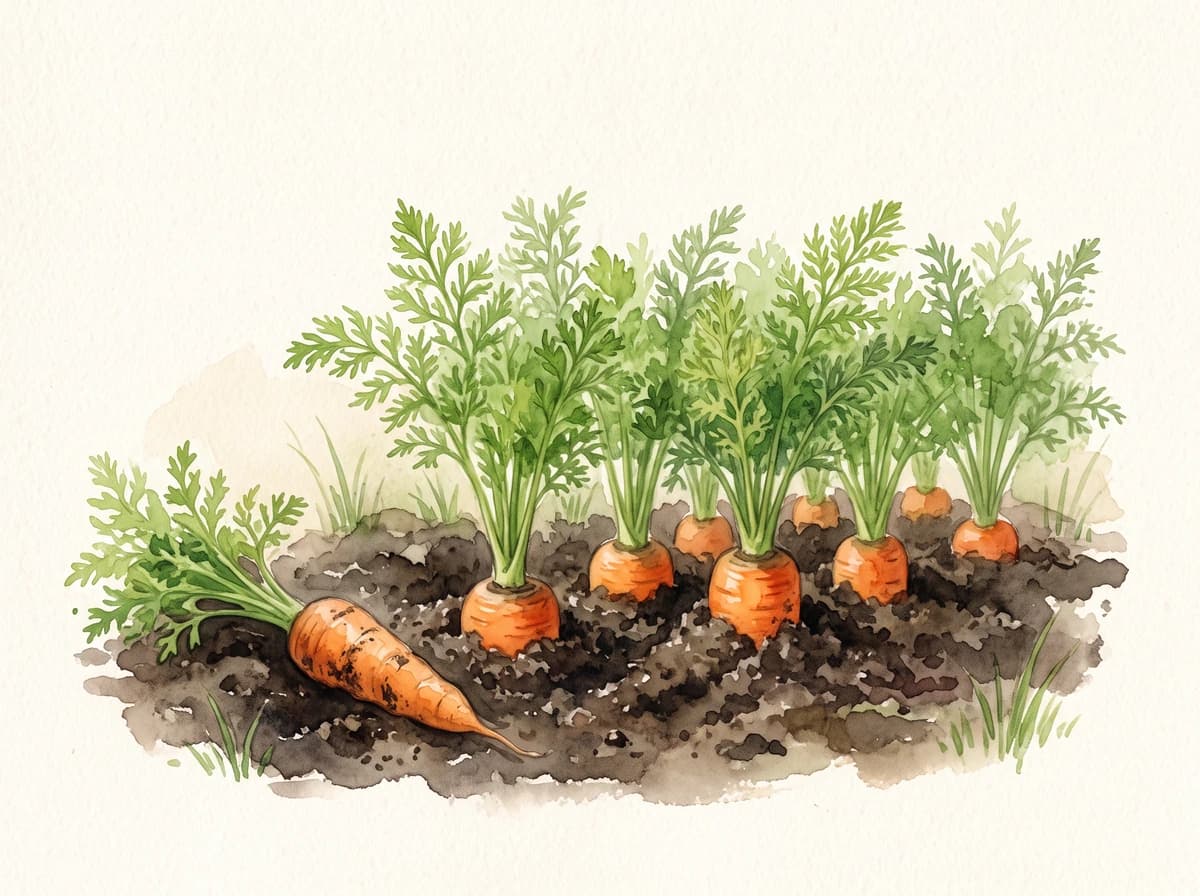
Carrot
Signs:
- Shoulders of 1-2 cm (0.4–0.8 in) showing above the soil.
- Foliage 20-25 cm (7.9–9.8 in) tall.
- Between 3 and 4 months from sowing, depending on variety.
Pull a single one to check the size. If it is small, wait two weeks more and try again.
Radish
Signs:
- Shoulders of 1-1.5 cm (0.4–0.6 in) showing.
- 25-30 days from sowing, approximately.
Harvest without delay: if they go over, they turn hot, spongy and hollow.
Pepper
Signs:
- Final colour developed (red, yellow, orange or green, depending on variety).
- Shiny, firm skin.
- Comes away easily when twisted.
You can pick it green once it has reached its size: the plant will produce more fruit. If you let it ripen to red it takes weeks more, but it is sweeter and has more vitamin C.
Aubergine
Signs:
- Shiny, smooth skin.
- If you press it gently with a fingertip, the mark disappears.
- If the mark stays, it is past it and will have hard seeds.
It is better to pick it a little small and tender than big and bitter.
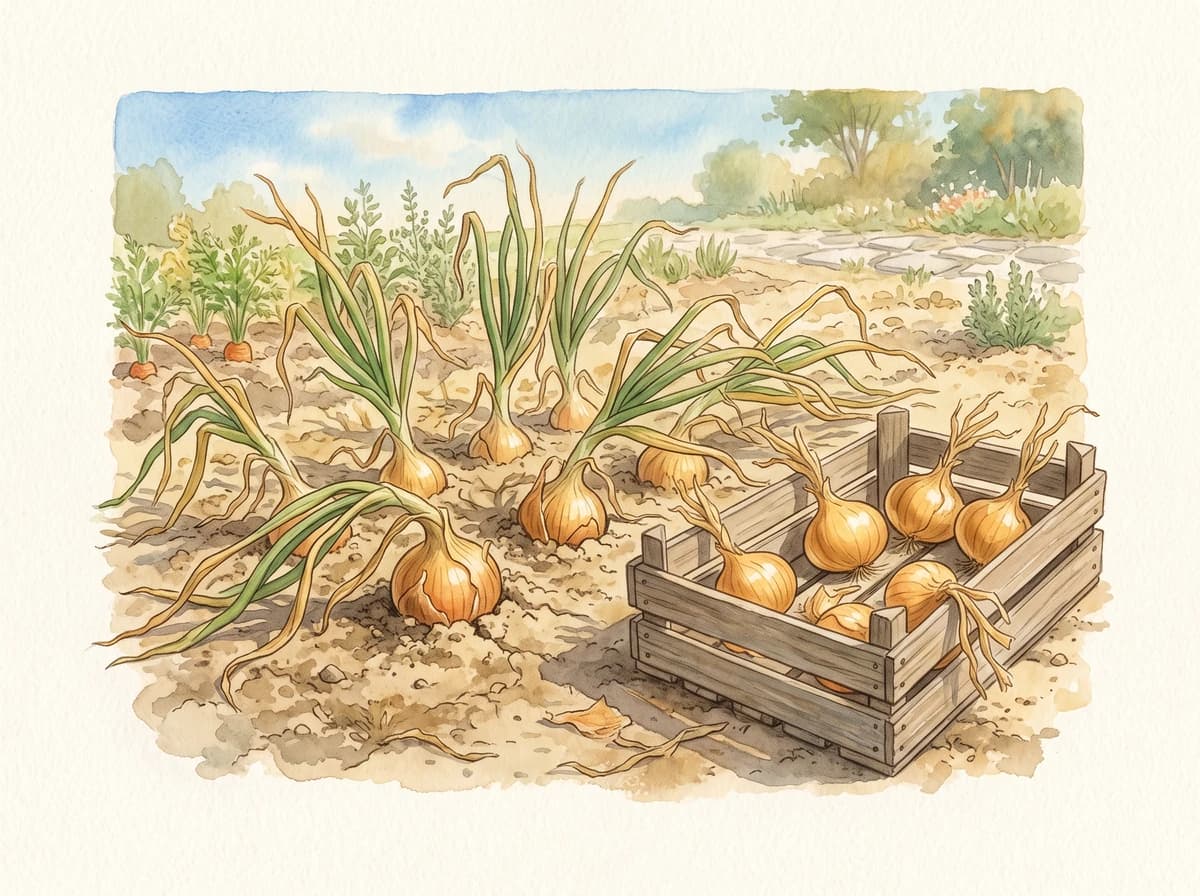
Onion
Signs:
- Yellowing foliage flopped towards the ground.
- Dry necks.
When most of the foliage has fallen (roughly between 50 and 70 %), pull them all up. Leave them to cure for 2-3 weeks in a ventilated spot in the shade before storing them.
Garlic
Signs:
- The lower leaves yellow and dry, and still some green ones on top.
- Well-formed bulb when you touch it at the neck.
It is harvested between May and July in the peninsula, depending on variety and area. If you pull it too late, the heads split open and keep badly. Like onion, it needs to cure for about 2-3 weeks in the shade with air before being stored.
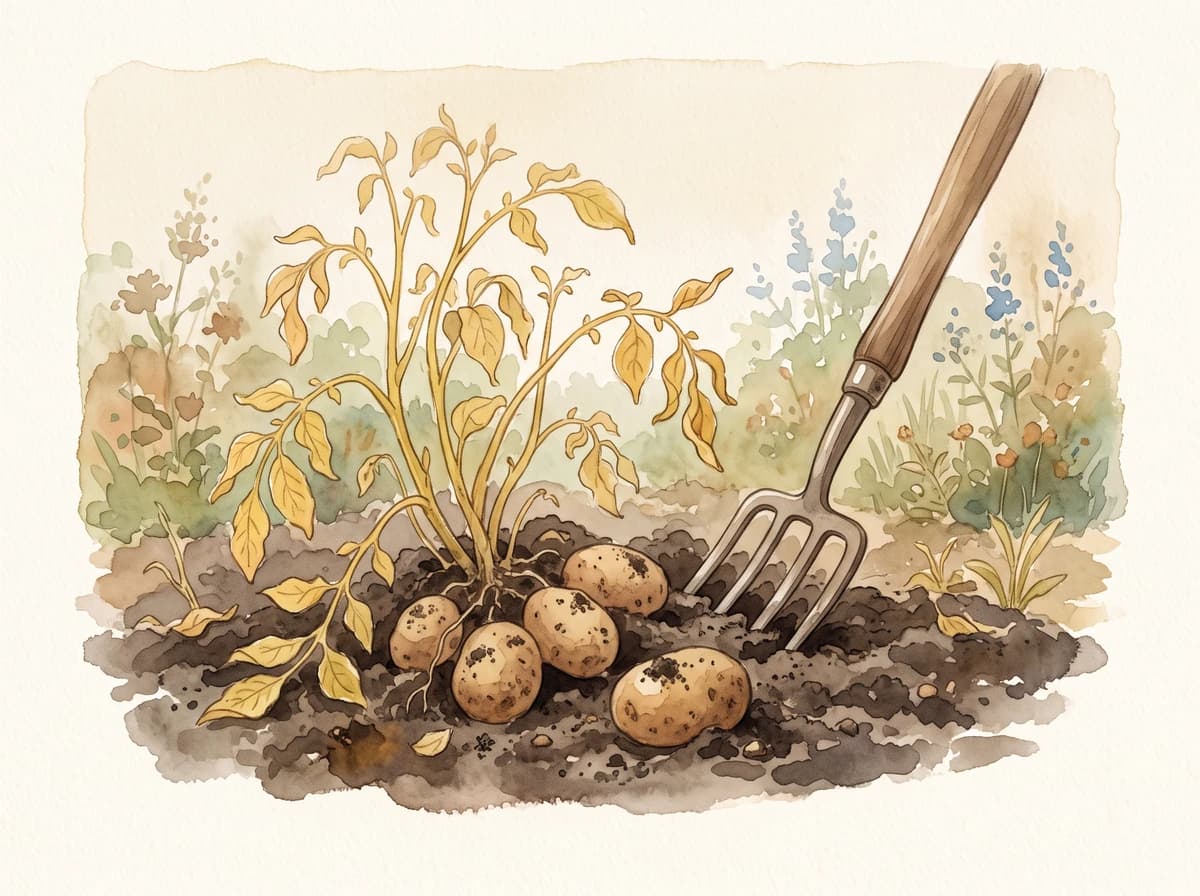
Potato
Signs:
- Yellowing, flopped foliage.
- Firm tuber skin (it does not come off when rubbed with the thumb).
Wait 1-2 weeks after the foliage is completely dry so that the skin hardens and they keep better. If you want them as new potatoes, you can lift some earlier, knowing that they do not keep.
Pumpkin
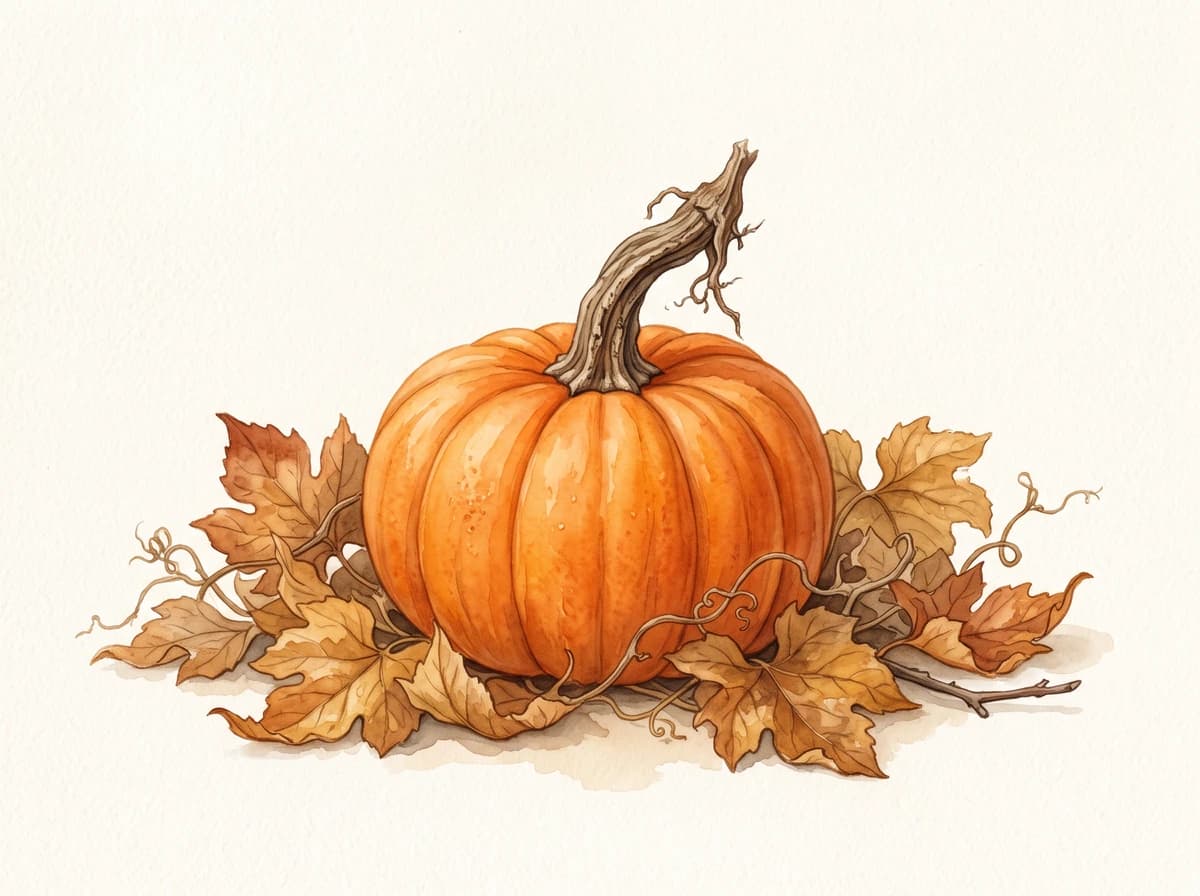
Signs:
- Dry, cracked stalk.
- Hard skin: it cannot be scratched with a fingernail.
- Hollow sound when tapped with your knuckles.
Leave it to cure 10-15 days in a sunny, dry spot before storing it: that way the skin hardens and it lasts for months.
Leek
Sign: white stem of 2-3 cm (0.8–1.2 in) in diameter.
It is harvested as you need it, because it holds well in the ground through the winter.
Cabbages (white cabbage, broccoli, cauliflower)
Each is recognised in a different way:
- White cabbage: firm head, hard when squeezed.
- Broccoli: intense green head with the buds still closed. Pick it before they open into a yellow flower. Afterwards it keeps giving smaller side shoots.
- Cauliflower: white, compact curd, about 15-20 cm (5.9–7.9 in) in diameter.
Strawberry
Signs:
- Full intense red colour, shoulders included.
- Gives slightly to the touch.
- When pulled gently, it comes away without effort.
At full production it is worth picking every day or every other day: ripe strawberries left on the plant end up eaten by the creatures or rot.
General calendar
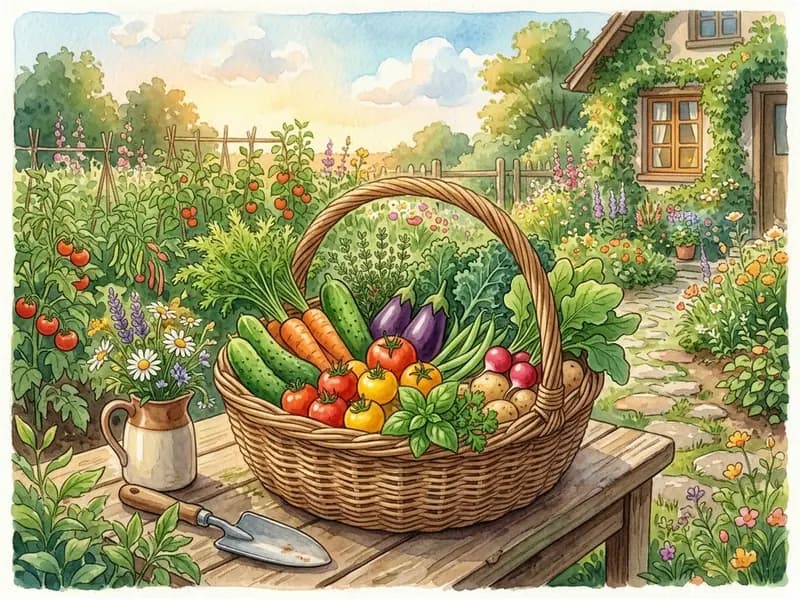
The dates are indicative for the inland peninsula. On the coast and in warm areas everything comes earlier, and in the north and in mountain areas it comes later. This is what is usually ready in each month:
- June: courgettes, beans and the first summer harvests; lettuces and radishes, which have been going since spring.
- July: tomato, cucumber, pepper, garlic and onion.
- August: peak production of tomato, courgette, pepper and bean.
- September: aubergine, pumpkin, potatoes and last tomatoes.
- October: cabbages, lettuce, rocket, lamb's lettuce and the last roots.
Universal rule
When in doubt, harvest a bit early: almost always a tender vegetable is better than one past its best. In most fruiting crops (courgette, bean, cucumber) harvesting often makes the plant keep producing. And, above all, freshness counts for more than size.
In short
The harvest window is short but easy to recognise. With these signs you will know when to pick, and in a season or two you will do it almost without thinking.
What is harvested each month in the garden and in the wild.