Credits and licences
- #1 — vueltaalhuerto illustration
- #2 — vueltaalhuerto illustration
- #3 — vueltaalhuerto illustration
- #4 — vueltaalhuerto illustration
- #5 — vueltaalhuerto illustration
- #6 — vueltaalhuerto illustration
- #7 — vueltaalhuerto illustration
- #8 — vueltaalhuerto illustration
- #9 — vueltaalhuerto illustration
- #10 — vueltaalhuerto illustration
Indian hawthorn (Rhaphiolepis indica)
and 2 more names
raphiolepis, rhaphiolepisIndian hawthorn (Rhaphiolepis indica) is sown in seed trays from October to December, and planted out from March to May and from September to October. It flowers from March to May. Grow it in full sun, 100 cm apart, with moderate watering. Dates are for a mild temperate climate in the northern hemisphere; the calendar below adjusts them to your zone.
What else to sow in October, November and December
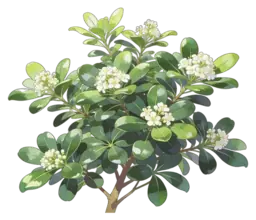
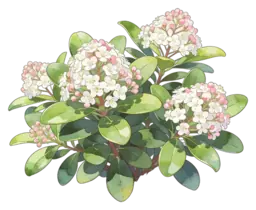
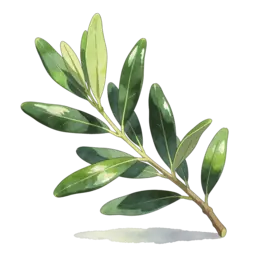
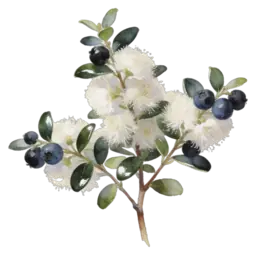
Indian hawthorn is a compact, rounded evergreen shrub 1 to 2 m tall, with leathery, oval, glossy dark green leaves with slightly toothed edges. In late winter and spring it bears clusters of white flowers tinged with pink and, in autumn, small bluish-black berries. It copes well with sun, heat, drought once established, coastal air and pruning, which is why it is widely used for low hedges, borders and pots in mild climates. Watch the name: what is sold as 'Raphiolepis' or 'Rhaphiolepis indica' is often the hybrid R. × delacourii, which is grown in exactly the same way. It is not a fruit tree: the berries are not used.
Family and origin: Rose family (Rosaceae) · native to Southern China and East Asia · More plants from Far East
01In your area
How will it do in your garden?
Year calendar
| Task | J | F | M | A | M | J | J | A | S | O | N | D |
|---|---|---|---|---|---|---|---|---|---|---|---|---|
| Seed trayOct–Dec | no | no | no | no | no | no | no | no | no | yes | yes | yes |
| Plant / transplantMar–May, Sep–Oct | no | no | yes | yes | yes | no | no | no | yes | yes | no | no |
| HarvestFeb–May | no | yes | yes | yes | yes | no | no | no | no | no | no | no |
| FloweringMar–May | no | no | yes | yes | yes | no | no | no | no | no | no | no |
| PruningMay–Jun | no | no | no | no | yes | yes | no | no | no | no | no | no |
| CuttingsJul–Sep | no | no | no | no | no | no | yes | yes | yes | no | no | no |
Its life cycle at a glance
Swipe and tap a stage to see its details.
02Planting
Where and how to plant it
Sow the seed 1 cm deep; leave 1 m between plants.
1 m between plants
Seed at a depth of 1 cm; seedlings go in with the root ball level with the soil.
- Transplanting
- Mar–May, Sep–Oct
- Seed tray
- Oct–Dec
- Germination
- ~40 days
- TipFor a hedge, space the plants 80 or 100 cm apart.
- Common mistakePlanting too deep smothers the crown of the plant.
03Care
Care through the year
Sun and aspectFull sun · 8 h of sun · South or south-west, with nothing casting shade at midday
- Too little sun
- Ideal range
- Plenty of sun
South or south-west, with nothing casting shade at midday
Strong sun: Loves full midday sun and high temperatures.
Sun or partial shade, in a spot sheltered from cold, dry winds. It tolerates between -5 and -10 °C, with damage to the tips if the cold is more severe; in areas with hard frosts, it is better beside a sunny wall.
WateringLet it dry out between waterings · summer: every 2-3 days
- Summerevery 2-3 days6 L per plant/week
- Spring / Autumnevery 4-5 days3 L per plant/week
- Winterevery 2-3 weeks0.9 L per plant/week
Let it dry out between waterings: A Mediterranean favourite: better thirsty than overwatered. Mulch: straw or dry plant material cuts watering by 30-50 %.
Water regularly in the first year and moderately after that: once established it copes well with drought, although it flowers and grows better with the occasional deep watering in summer. Avoid waterlogging and wetting the foliage, because leaf spot gets worse. In a pot, water when the potting mix is dry a few centimetres down.
When to water? Push your finger 3 cm into the soil next to the base of the plant:
- Damp: soil sticks to your finger. Do not water yet. It has more than enough; wait for it to dry out more.
- Cool but clean, no mud. Wait another 1-2 days before watering.
- Dry and dusty. Water now, but moderately. Do not overdo it: it prefers thirst to excess.
- TipThe most common disease is fungal leaf spot (Entomosporium), which gets worse with humidity and poor light; it can also be affected by fireblight, common in the rose family, so if you see branches that look scorched, consult the plant health service of your region.
- TipWater generously in the first year until it is established; after that it looks after itself.
Soil and feedingpH 5.5–7.5 · Deep soil with good drainage
Deep soil with good drainage.
Medium/high.
This plant prefers a pH between 5.5 and 7.5 (slightly acidic to slightly alkaline).
- Water generously in the first year until it is established.
- A thick mulch all year round, not touching the trunk.
- TipPlant it in spring or autumn in a well-drained soil, slightly acid or neutral, although it tolerates chalky soil; in a pot, use multipurpose potting mix with sand.
- TipGive it a balanced fertiliser in spring.
PruningWhen: May–Jun
Pruning time for this plant: May–Jun.
- TipPrune it after flowering, in spring, only to shape and renew it; if you trim it in winter you lose the flowers.
- TipFormative pruning after flowering keeps the shape compact.
- Common mistakePruning at the wrong time removes the year's flower buds.
Common mistakes and tips
- TipBirds spread the seeds: choose low-fertility cultivars if you do not want it to naturalise.
- TipThe cold and germination figures are approximate.
04Harvest
Harvesting and storing
Harvest in Feb–May.
05Propagation
Make new plants
It is most often propagated by semi-ripe cuttings about 10 cm long, taken in late summer from current-year shoots that have hardened a little, with the lower leaves removed, rooting hormone and a light, sandy potting mix with humid air; they root in one to two months. It can also be grown from seed extracted from ripe berries in autumn and sown clean and fresh in a seed tray in a cold spot, but it germinates slowly and the plants may vary. It can also be propagated by layering in autumn.
Seeds: how to germinate them~40 days
06Uses and health
What it is used for, and with what care
It is not considered a toxic plant, but the berries are not for eating: if a child tries them they may cause digestive upset, so do not leave them within reach. There is no solid information for dogs and cats; to be on the safe side, stop them chewing the leaves and berries. Birds spread the seeds and in mild climates it can naturalise; it is not listed in the Spanish Catalogue of Invasive Alien Species, but it is wise to choose low-fertility cultivars and not to dump prunings in the countryside.
- Properties
- An ornamental shrub; no proven benefits are attributed to it.
- Uses
- It is not grown as an edible plant: the berries, which are small and have a large seed, are not used.
For guidance only; this is not medical treatment and does not replace advice from a doctor or vet.
07Companions and related plants