
Credits and licences
- #1 — vueltaalhuerto illustration
- #2 — vueltaalhuerto illustration
- #3 — vueltaalhuerto illustration
- #4 — vueltaalhuerto illustration
- #5 — vueltaalhuerto illustration
- #6 — vueltaalhuerto illustration
- #7 — vueltaalhuerto illustration
- #8 — vueltaalhuerto illustration
- #9 — vueltaalhuerto illustration
- #10 — vueltaalhuerto illustration
Beaked yucca (Yucca rostrata)
and 2 more names
blue beaked yucca, yuccaBeaked yucca (Yucca rostrata) is sown in seed trays from March to April, and planted out from April to May and from September to October. It flowers from May to June. Grow it in full sun, 150 cm apart, with little watering. Dates are for a mild temperate climate in the northern hemisphere; the calendar below adjusts them to your zone.
What else to sow in March and April
A tree-like yucca that over the years forms a single trunk, or one with a few branches, 2 to 4 m tall, covered by a skirt of brown dead leaves and crowned by a perfectly round head of very thin, stiff, greyish-blue leaves with a yellow edge and a very sharp tip. In summer, once mature, it sends up a tall spike of white, bell-shaped flowers. It grows very slowly, just a few centimetres a year, withstands hard frosts if the soil is dry, as well as heat and drought, and is ideal for dry gardens, rock gardens and large pots. It resembles other trunk-forming yuccas, such as Yucca gloriosa, and plants of the same family such as the century plant (Agave americana), which are other species. It is an ornamental plant: it is not the edible yuca or cassava (Manihot esculenta), and it is not grown for food.
Family and origin: Asparagus family (Asparagaceae) · native to Chihuahuan Desert (northern Mexico and south-west Texas) · More plants from North America
01In your area
How will it do in your garden?
Year calendar
| Task | J | F | M | A | M | J | J | A | S | O | N | D |
|---|---|---|---|---|---|---|---|---|---|---|---|---|
| Seed trayMar–Apr | no | no | yes | yes | no | no | no | no | no | no | no | no |
| Plant / transplantApr–May, Sep–Oct | no | no | no | yes | yes | no | no | no | yes | yes | no | no |
| FloweringMay–Jun | no | no | no | no | yes | yes | no | no | no | no | no | no |
| Divide the clumpApr–Jun | no | no | no | yes | yes | yes | no | no | no | no | no | no |
Its life cycle at a glance
Swipe and tap a stage to see its details.
02Planting
Where and how to plant it
Sow the seed 5 mm deep; leave 1.5 m between plants and 2 m between rows.
1.5 m between plants · 2 m between rows
Seed at a depth of 5 mm; seedlings go in with the root ball level with the soil.
- Transplanting
- Apr–May, Sep–Oct
- Seed tray
- Mar–Apr
- Germination
- ~30 days
- Common mistakePlanting too deep smothers the crown of the plant.
03Care
Care through the year
Sun and aspectFull sun · 10 h of sun · South or south-west, with nothing casting shade at midday
- Too little sun
- Ideal range
- Plenty of sun
South or south-west, with nothing casting shade at midday
Strong sun: Loves full midday sun and high temperatures.
Full sun, all day long. In shade it stretches, loses its blue colour and weakens. It tolerates extreme heat; in very hot summers the leaf tips may dry out a little.
WateringLet it dry out between waterings · summer: every 5-7 days
- Summerevery 5-7 days3 L per plant/week
- Spring / Autumnevery 10-14 days1.2 L per plant/week
- Winteronly in extreme drought (once a month)0.5 L per plant/week
Let it dry out between waterings: A Mediterranean favourite: better thirsty than overwatered.
Water regularly in the first summer so it roots in, and after that hardly at all: it copes far better with drought than with too much water. In a pot, water only when the potting mix is completely dry. Cold combined with wet is what harms it most: in dry soil it withstands much harder frosts.
When to water? Push your finger 5 cm into the soil next to the base of the plant:
- Damp: soil sticks to your finger. Do not water yet. It has more than enough; wait for it to dry out more.
- Cool but clean, no mud. Wait another 1-2 days before watering.
- Dry and dusty. Water now, but moderately. Do not overdo it: it prefers thirst to excess.
- TipWater generously in the first year until it is established; after that it looks after itself.
Soil and feedingpH 6.5–8 · Deep soil with good drainage
Deep soil with good drainage.
Medium/high.
This plant prefers a pH between 6.5 and 8.0 (neutral to alkaline).
- Water generously in the first year until it is established.
- A thick mulch all year round, not touching the trunk.
- TipPlant it in spring or early autumn, in full sun and in very loose, stony soil, or on a mound if the soil is heavy, and do not water it in winter.
- TipWatch out for mealybugs and collar rot in waterlogged soil.
Pruning
- TipNo pruning is needed, except removing dead leaves from the skirt if you wish, wearing gloves.
- TipFormative pruning after flowering keeps the shape compact.
- Common mistakePruning at the wrong time removes the year's flower buds.
Common mistakes and tips
- TipIt is perfect in a dry garden with agaves, aloes and rosemary, but away from where people walk: the leaf tips are very sharp and can injure the eyes, so place it away from paths and children's play areas.
04Propagation
Make new plants
The easiest way is to separate the offsets that sometimes sprout at the foot of the trunk, in spring, cutting them with a piece of root and planting them in a very free-draining sandy potting mix. It can also be grown from seed, which is flat, black and thin, sown shallowly, about 5 mm deep, in a sandy potting mix at about 18 to 24 °C; it germinates in one or two months and grows very slowly. Trunk cuttings can be taken, although this is rarely needed. The usual approach is to buy a nursery plant, because it takes many years to form an attractive trunk.
Seeds: how to germinate them~30 days
05Uses and health
What it is used for, and with what care
WARNING: the leaves and sap of yuccas contain saponins, which can cause vomiting, diarrhoea and drooling if eaten, and in dogs and cats, especially if they chew the plant often, they can cause more serious symptoms; keep pets and children away and see a vet or doctor if any is eaten. The leaf tips are very sharp and prick: they can cause wounds and damage the eyes, so wear gloves and goggles when handling it and do not plant it beside paths or play areas.
- Properties
- It gives a strong presence in dry gardens with very little watering, copes well with heat, drought and hard frosts in dry soil, and its flower spike attracts pollinating insects.
- Uses
- It is not grown for food and is not used in cooking or in home remedies. Do not confuse it with yuca or cassava (Manihot esculenta), which is an entirely different plant that is edible after cooking.
For guidance only; this is not medical treatment and does not replace advice from a doctor or vet.
06Companions and related plants
What to plant it with
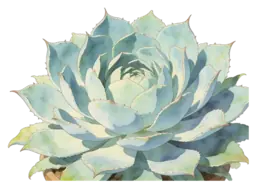
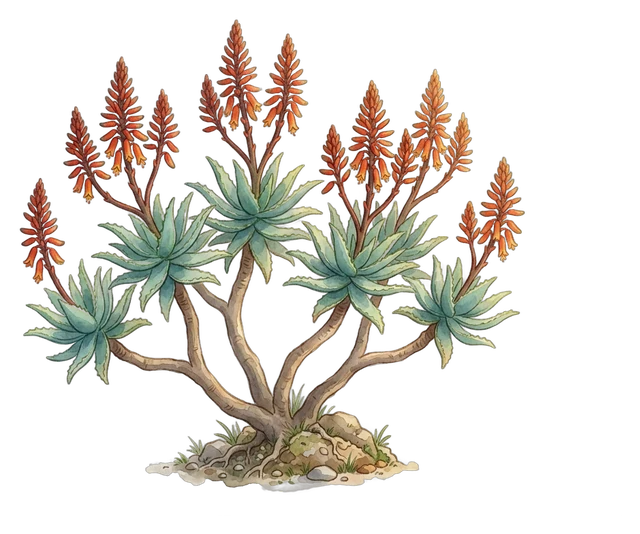

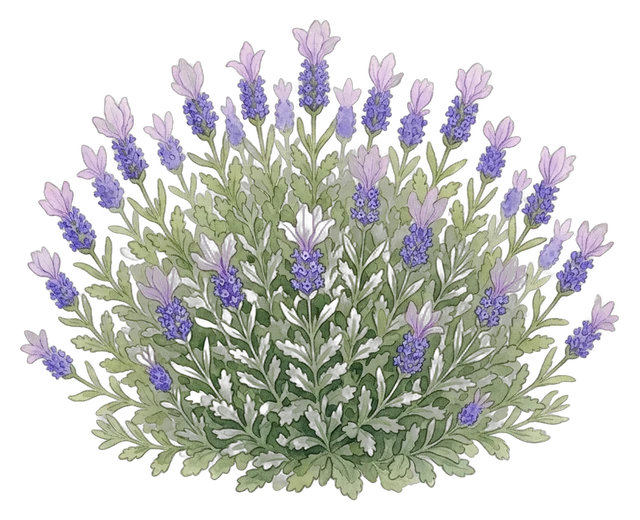
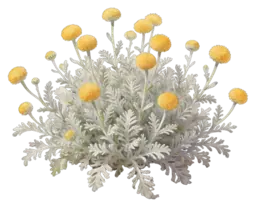
Compare with similar varieties
| Variety | Sowing | Harvest | Days | Spacing | Difficulty |
|---|---|---|---|---|---|
| Spineless yucca (Yucca gigantea) | — | — | — | 80 cm | Easy |
| Beaked yucca (Yucca rostrata) | Mar–Apr | — | — | 150 cm | Easy |