
Credits and licences
- #1 — vueltaalhuerto illustration
- #2 — vueltaalhuerto illustration
- #3 — vueltaalhuerto illustration
- #4 — vueltaalhuerto illustration
- #5 — vueltaalhuerto illustration
- #6 — vueltaalhuerto illustration
- #7 — vueltaalhuerto illustration
- #8 — vueltaalhuerto illustration
Wine cap (Stropharia)
and 3 more names
burgundy mushroom, stropharia, Stropharia rugosoannulataIt is harvested from May to June and from September to November (about 90 days to the first harvest). Grow it in shade, 30 cm apart, with plenty of watering. Dates are for a mild temperate climate in the northern hemisphere; the calendar below adjusts them to your zone.
An edible mushroom with a large, domed, wine-red to brown cap that pales with age, 5 to 20 cm across, with gills that are white at first, then greyish-violet and finally dark purple, and a thick white stem with a broad, toothed ring resembling a cogwheel. It is one of the easiest mushrooms to grow in the garden, because it grows on hardwood chips, straw or leaf litter, in shade, and can crop for several years in the same bed. Its flavour is reminiscent of potato and button mushroom. It is grown from bought spawn and harvested from spring to autumn. Do not pick wild mushrooms just because they look like it: there are dangerous lookalikes (see the health warning).
Family and origin: Strophariaceae · native to Europe and North America · More plants from Temperate Europe
01In your area
How will it do in your garden?
Year calendar
| Task | J | F | M | A | M | J | J | A | S | O | N | D |
|---|---|---|---|---|---|---|---|---|---|---|---|---|
| HarvestMay–Jun, Sep–Nov | no | no | no | no | yes | yes | no | no | yes | yes | yes | no |
Its life cycle at a glance
Swipe and tap a stage to see its details.
02Care
Care through the year
Sun and aspectShade · 3 h of sun · Cool north-facing spot or under the canopy of a deciduous tree
- Too little sun
- Ideal range
- Plenty of sun
Cool north-facing spot or under the canopy of a deciduous tree
Gentle sun: Morning or afternoon sun. Midday summer sun stresses and scorches it.
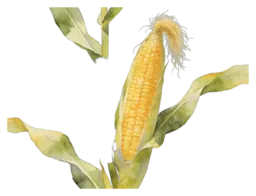
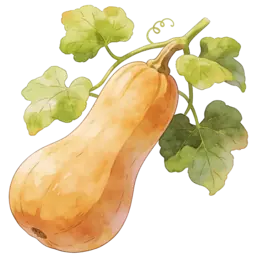
Partial shade or shade: direct sun dries out the bed and the mushrooms. It does well under fruit trees, among sweetcorn or squash, or in a corner of the bed with ground cover.
- Common mistakeToo much heat or light aborts the pins.
WateringConstantly moist · summer: daily or every 2 days above 30 °C
- Summerdaily or every 2 days above 30 °C1.8 L per plant/week
- Spring / Autumnevery 3-4 days0.8 L per plant/week
- Winterevery 2 weeks if dry0.2 L per plant/week
Constantly moist: The soil should always feel cool and damp. Ideal with mulch and drip irrigation. Mulch: straw or dry plant material cuts watering by 30-50 %.
Keep the bed moist, without waterlogging, especially in summer and before the mushrooms appear; rain or a heavy watering often triggers fruiting. In dry spells, water the bed deeply.
When to water? Push your finger 2 cm into the soil next to the base of the plant:
- Damp: soil sticks to your finger. Do not water, although for this plant it is just right — check again tomorrow.
- Cool but clean, no mud. Water today: it likes to stay constantly moist.
- Dry and dusty. Water urgently and add mulch to hold in moisture.
- TipSite the bed in shade, at least 10 to 15 cm deep, and water it when it dries out.
- TipKeep humidity high and the setting cool and shady; no direct sun at all.
Soil and feedingA specific substrate, not soil
A specific substrate, not soil.
Pasteurised straw, chopped corn cobs or beech/oak sawdust, depending on the species.
Controlled: high, steady humidity.
This plant prefers a pH between 5.5 and 7.0 (slightly acidic to neutral).
- Extreme hygiene when inoculating: gloves, mask and disinfected tools.
- Never use ordinary soil: contamination and moulds are guaranteed.
- Poorly pasteurised substrate lets competing fungi in.
- Poor ventilation during fruiting aborts the pins.
Common mistakes and tips
- TipUse chips from broadleaved trees, such as poplar, beech, oak or fruit trees, and avoid conifer chips and very large ones.
- TipAlways eat them cooked.
- TipStrict hygiene: disinfect hands and tools to avoid contamination.
03Harvest
Harvesting and storing
Harvest in May–Jun, Sep–Nov; the first, about 90 days after sowing.
- TipHarvest the mushrooms young, when the veil joining the cap to the stem is still intact or has just broken, twisting them gently.
04Propagation
Make new plants
It is grown from spawn (mycelium on sawdust or grain), not from seed. Spread a layer of moist hardwood chips about 5 cm deep, crumble the spawn over it and cover with another layer of chips. The mycelium takes several months to colonise the bed, after which the mushrooms appear. Inoculate in spring or autumn, in mild weather.
05Uses and health
What it is used for, and with what care
SAFETY WARNING: always eat it cooked and only if it comes from your own growing bed or you have identified it with certainty. There are dangerous confusions with toxic wild mushrooms, especially the deadly funeral bell (Galerina marginata), which also grows on wood and wood chips, and with other brown-spored mushrooms of the genus Cortinarius, some of them deadly; do not pick wild mushrooms because they look like it, and discard any doubtful specimen. Identify it by its wine-red cap, broad toothed ring and gills that change from white to greyish-violet and dark purple; no single feature on its own is enough. The spores can cause respiratory allergy in sensitive people: ventilate and avoid breathing in clouds of spores. If a pet eats raw mushroom or a large amount, it may have digestive upset; consult a vet if in any doubt.
- Properties
- A mushroom with protein and fibre, low in calories; it does not replace any treatment.
- Uses
- Always cooked, best when young: griddled, sautéed, in batter, in stews, in creamy soups or with rice. Its flavour is reminiscent of potato and button mushroom.
For guidance only; this is not medical treatment and does not replace advice from a doctor or vet.
06Companions and related plants
What to plant it with
Good companions
Group it in the same bedPlants with the same watering or the same sun
They are not essential companions, but you will not have to water or position them differently.