Credits and licences
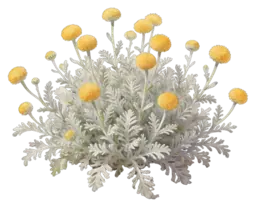
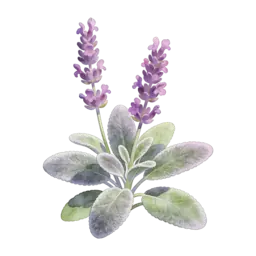
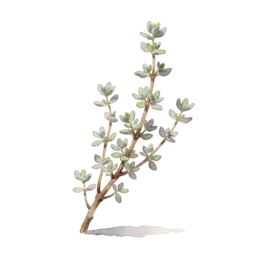
- #1 — vueltaalhuerto illustration
- #2 — vueltaalhuerto illustration
- #3 — vueltaalhuerto illustration
- #4 — vueltaalhuerto illustration
- #5 — vueltaalhuerto illustration
- #6 — vueltaalhuerto illustration
- #7 — vueltaalhuerto illustration
- #8 — vueltaalhuerto illustration
- #9 — vueltaalhuerto illustration
- #10 — vueltaalhuerto illustration
Wall germander
Wall germander is sown in seed trays from February to March or directly outdoors from April to May, and planted out from March to April and in October. It flowers from June to August. Grow it in full sun, 30 cm apart, with little watering. Dates are for a mild temperate climate in the northern hemisphere; the calendar below adjusts them to your zone.
What else to sow in February, March, April and May
A low, woody evergreen subshrub 15 to 40 cm tall, with small, lobed, toothed, glossy dark green leaves that look like those of a miniature holm oak. From June to August it bears spikes of pinkish-purple two-lipped flowers, much visited by bees. It is native to Spain, very hardy and very drought-tolerant, and does well in poor, stony, chalky soils in full sun. It has traditionally been used as a low clipped edging in Mediterranean-style gardens, alongside lavenders and cotton lavender. SERIOUS WARNING: it has been linked to liver damage when taken as an infusion or in preparations; it is a purely ornamental plant and must not be eaten or drunk.
Family and origin: Mint family (Lamiaceae) · native to The Mediterranean basin, southern and central Europe and the Middle East · More plants from Mediterranean basin
01In your area
How will it do in your garden?
Year calendar
| Task | J | F | M | A | M | J | J | A | S | O | N | D |
|---|---|---|---|---|---|---|---|---|---|---|---|---|
| Seed trayFeb–Mar | no | yes | yes | no | no | no | no | no | no | no | no | no |
| Direct sowingApr–May | no | no | no | yes | yes | no | no | no | no | no | no | no |
| Plant / transplantMar–Apr, Oct | no | no | yes | yes | no | no | no | no | no | yes | no | no |
| HarvestJun–Aug | no | no | no | no | no | yes | yes | yes | no | no | no | no |
| FloweringJun–Aug | no | no | no | no | no | yes | yes | yes | no | no | no | no |
| PruningMar–Apr | no | no | yes | yes | no | no | no | no | no | no | no | no |
| CuttingsJun–Sep | no | no | no | no | no | yes | yes | yes | yes | no | no | no |
| Divide the clumpMar, Oct | no | no | yes | no | no | no | no | no | no | yes | no | no |
Its life cycle at a glance
Swipe and tap a stage to see its details.
02Planting
Where and how to plant it
Sow the seed 3 mm deep; leave 30 cm between plants and 40 cm between rows.
30 cm between plants · 40 cm between rows
Seed at a depth of 3 mm; seedlings go in with the root ball level with the soil.
- Transplanting
- Mar–Apr, Oct
- Seed tray
- Feb–Mar
- Direct sowing
- Apr–May
- Germination
- ~30 days
- TipThe dates and spacings given are only a guide.
- Common mistakePlanting too deep smothers the crown of the plant.
03Care
Care through the year
Sun and aspectFull sun · 8 h of sun · South or south-west, with nothing casting shade at midday
- Too little sun
- Ideal range
- Plenty of sun
South or south-west, with nothing casting shade at midday
Strong sun: Loves full midday sun and high temperatures.
Full sun. In shade it opens up, weakens and flowers poorly.
WateringLet it dry out between waterings · summer: every 5-7 days
- Summerevery 5-7 days3 L per plant/week
- Spring / Autumnevery 10-14 days1.2 L per plant/week
- Winteronly in extreme drought (once a month)0.5 L per plant/week
Let it dry out between waterings: A Mediterranean favourite: better thirsty than overwatered.
Sparse watering: a few waterings in the first summer to help it establish and, after that, hardly any in a Mediterranean climate. It cannot stand waterlogged soil or too much water in winter.
When to water? Push your finger 5 cm into the soil next to the base of the plant:
- Damp: soil sticks to your finger. Do not water yet. It has more than enough; wait for it to dry out more.
- Cool but clean, no mud. Wait another 1-2 days before watering.
- Dry and dusty. Water now, but moderately. Do not overdo it: it prefers thirst to excess.
- TipWater generously in the first year until it is established; after that it looks after itself.
Soil and feedingpH 6.5–8.5 · Deep soil with good drainage
Deep soil with good drainage.
Medium/high.
This plant prefers a pH between 6.5 and 8.5 (neutral to alkaline).
- Water generously in the first year until it is established.
- A thick mulch all year round, not touching the trunk.
- TipPlant it in poor, loose, well-drained soil, about 25 to 30 cm apart if you want a continuous edging, and trim it at the end of winter to keep its shape and stop it opening up in the middle.
- TipIt combines well with lavender, cotton lavender and sage, which need the same soil and the same sparse watering.
PruningWhen: Mar–Apr
Pruning time for this plant: Mar–Apr.
- TipFormative pruning after flowering keeps the shape compact.
- Common mistakePruning at the wrong time removes the year's flower buds.
Common mistakes and tips
- TipDo not use it for infusions, liqueurs or home remedies, and cut the stems wearing gloves if you have sensitive skin.
04Harvest
Harvesting and storing
Harvest in Jun–Aug; the first, about 365 days after sowing.
05Propagation
Make new plants
The most reliable method is semi-ripe cuttings: cut tips 5 to 8 cm long from the current year's shoots, from June to September, and plant them in a mix of sand and potting compost, watering sparingly. The clump can also be divided at the end of winter or in autumn. Seed is possible but slow and erratic: sow it in spring, on the surface or barely covered, at about 15 to 20 °C, and it may take one to two months to come up.
Seeds: how to germinate them~30 days
06Uses and health
What it is used for, and with what care
SERIOUS WARNING: wall germander contains diterpenes, such as teucrin A, which have been linked to serious cases of toxic hepatitis in people who took it as an infusion or in capsules for weight loss or as a remedy. For this reason its sale as a consumer product is banned in France. Do not take it in any form. There are no reliable data for dogs and cats: to be on the safe side, stop them chewing the plant. It is sold as an ornamental plant, which is its safe use.
- Properties
- It is an ornamental plant rich in nectar, very useful for low edgings and dry gardens, whose flowers attract bees. In the past it was taken as a remedy, but today no use is recommended because of its toxicity.
- Uses
- It is not edible and is not suitable for infusions, liqueurs or home remedies. It is not used as a seasoning.
For guidance only; this is not medical treatment and does not replace advice from a doctor or vet.
07Companions and related plants