
Credits and licences
- #1 — vueltaalhuerto illustration
- #2 — vueltaalhuerto illustration
- #3 — vueltaalhuerto illustration
- #4 — vueltaalhuerto illustration
- #5 — vueltaalhuerto illustration
- #6 — vueltaalhuerto illustration
- #7 — vueltaalhuerto illustration
- #8 — vueltaalhuerto illustration
- #9 — vueltaalhuerto illustration
- #10 — vueltaalhuerto illustration
Mammillaria pseudoperbella (Mammillaria perbella)
and 3 more names
Mammillaria infernillensis, pincushion cactus, mammillariaMammillaria pseudoperbella (Mammillaria perbella) is sown in seed trays from March to May, and planted out from April to June. Grow it in full sun, 12 cm apart, with little watering. Dates are for a mild temperate climate in the northern hemisphere; the calendar below adjusts them to your zone.
A cactus with a globular body when young that becomes cylindrical with age, about 5 to 20 cm tall and 5 to 8 cm wide, matt green, with a flattened, whitish-looking tip. It has many short white radial spines and two brown central spines with darker tips. It usually grows singly, although it sometimes produces offsets at the base. In spring it opens small funnel-shaped purplish-pink flowers with a darker central line, forming a ring around the tip, followed by elongated red fruits. A note on the name: this cactus is sold as Mammillaria pseudoperbella, but botanists consider it a synonym of Mammillaria perbella, which is the accepted name; plants sold under the trade name usually have pinker flowers and finer spines. It is very slow-growing and easy if it gets plenty of light and little water. It is not edible. LEGAL AND SAFETY NOTICE: Mammillaria pseudoperbella (accepted name: Mammillaria perbella) is a cactus and, like all cacti, it is protected by the CITES convention (Appendix II; in the EU, Regulation (EC) 338/97, Annex B). Collecting plants or seeds from the wild is prohibited, and international trade requires export and import permits. Within the European Union you should only buy nursery-raised plants and keep the invoice or certificate proving their legal origin, because you may need it if you sell or give the plant away. As for safety, there are no known cases of poisoning in people, but the spines prick and the wound can become infected: handle the plant with gloves or tweezers and keep it away from children and pets.
Family and origin: Cactus family (Cactaceae) · native to Central Mexico (from Querétaro to Oaxaca), among rocks and humus on limestone mountain slopes · More plants from Mesoamerica
01In your area
How will it do in your home?
Year calendar
| Task | J | F | M | A | M | J | J | A | S | O | N | D |
|---|---|---|---|---|---|---|---|---|---|---|---|---|
| Seed trayMar–May | no | no | yes | yes | yes | no | no | no | no | no | no | no |
| Plant / transplantApr–Jun | no | no | no | yes | yes | yes | no | no | no | no | no | no |
| Divide the clumpApr–Jun | no | no | no | yes | yes | yes | no | no | no | no | no | no |
Its life cycle at a glance
Swipe and tap a stage to see its details.
02Planting
Planting and transplanting
- TipBuy only nursery-raised plants.
03Care
Care through the year
Sun and aspectFull sun · 7 h of sun · shade in summer
- Too little sun
- Ideal range
- Plenty of sun
South or south-west, with nothing casting shade at midday
Strong sun: Loves full midday sun and high temperatures.
Plenty of light and some direct sun; in summer, light shade at midday if it has not been hardened off. In low light it stretches and loses colour. It is a mountain plant and tolerates some cold only if it is completely dry; to be safe, keep it above 0 °C.
WateringLet it dry out between waterings · summer: every 10 to 14 days, only when the potting mix is dry
- Summerevery 10 to 14 days, only when the potting mix is dry0.2 L per plant/week
- Spring / Autumnevery 10-14 days0.1 L per plant/week
- Winterno watering from November to February0 L per plant/week
Let it dry out between waterings: A Mediterranean favourite: better thirsty than overwatered.
Water moderately from April to September, letting the potting mix dry out completely between waterings. In winter keep it dry and cool, between 5 and 12 °C. Use a pot with drainage holes and a potting mix without peat or humus.
When to water? Push your finger 5 cm into the soil next to the base of the plant:
- Damp: soil sticks to your finger. Do not water yet. It has more than enough; wait for it to dry out more.
- Cool but clean, no mud. Wait another 1-2 days before watering.
- Dry and dusty. Water now, but moderately. Do not overdo it: it prefers thirst to excess.
- TipWatering, temperatures and timings are only a guide.
- TipA dry winter rest: with hardly any water they flower better in spring.
- Common mistakeWatering in cold winter weather is the fast track to rot.
Potting mix and feedingpH 6–7.5 · Mineral mix with almost no organic matter
Mineral mix with almost no organic matter.
20 % multi-purpose compost · 40 % silica sand · 40 % pumice or lava rock.
Extreme.
This plant prefers a pH between 6.0 and 7.5 (slightly acidic to slightly alkaline).
- Rich, compact mix: certain rot within a few months.
- Watering in cold winter weather: the first step towards rot.
- TipPlant it in a terracotta pot with a very mineral potting mix, without peat or humus: half coarse sand, pumice or fine gravel.
- TipRepot every year or every two years while it is young, because this helps stop the base from becoming woody, always in spring and with the potting mix dry.
- TipFeed sparingly, from April to August, with cactus fertiliser at half strength.
- TipPlenty of light and a free-draining mineral mix.
- Common mistakeA mix that holds water drowns the roots.
04Propagation
Make new plants
It is propagated mainly from seed. It sometimes produces offsets at the base, which are separated in spring with a clean blade, left to dry and planted in dry mineral potting mix; on old plants that split at the tip, it is best not to cut off one of the branches because the plant may die. The tiny black seed is sown on the surface in spring on moist mineral potting mix, at 19-24 °C and in good light.
Seeds: how to germinate them~14 days
05Uses and health
What it is used for, and with what care
SAFETY NOTICE: There are no known cases of poisoning in people, but the spines prick and the wound can become infected: use gloves or tweezers to handle it and keep it away from children and pets. There are no reliable data on the plant itself for dogs and cats. If a wound does not get better, see a doctor or a vet. All cacti are protected by the CITES convention (Appendix II): buy only nursery-raised plants and never dig up plants from the wild. It is not regulated as an invasive species in Spain or the EU.
- Properties
- Low-maintenance ornamental cactus. It has no home medicinal uses.
- Uses
- It is not edible. It has no culinary uses and is not used in herbal teas.
For guidance only; this is not medical treatment and does not replace advice from a doctor or vet.
06Companions and related plants
What to plant it with
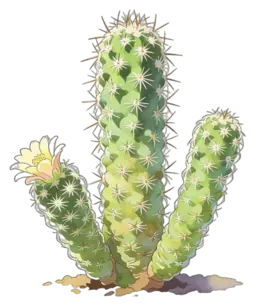
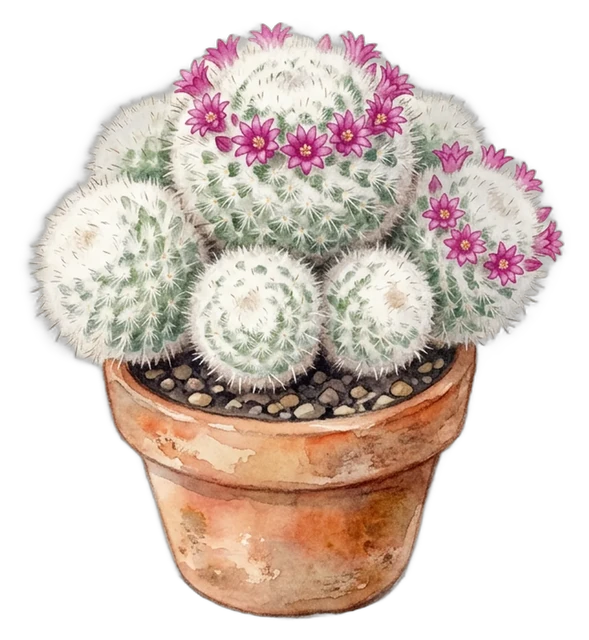
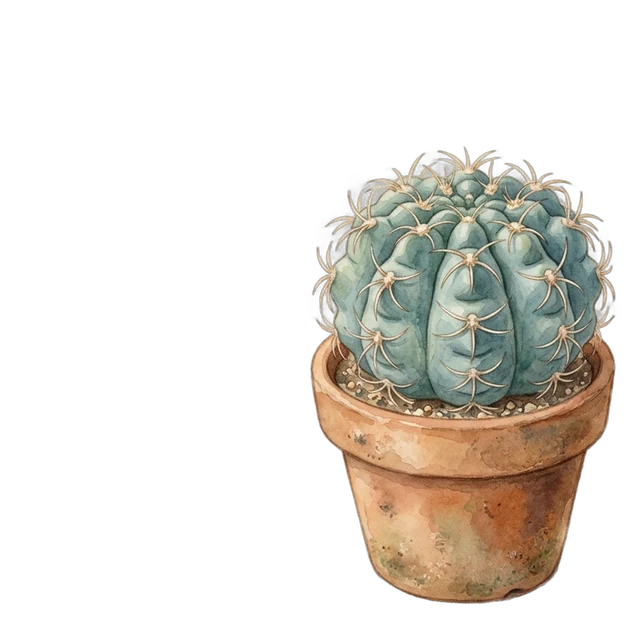
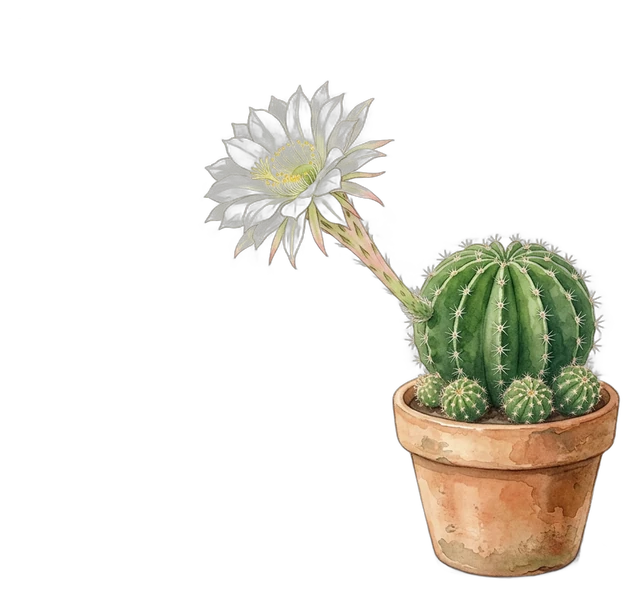
Compare with similar varieties
| Variety | Sowing | Harvest | Days | Spacing | Difficulty |
|---|---|---|---|---|---|
| Ladyfinger cactus (Mammillaria elongata) | May–Jul | — | — | 15 cm | Easy |
| Mammillaria bombycina (silken pincushion cactus) | Mar–May | — | — | 15 cm | Easy |
| Mammillaria carmenae (white Tamaulipas cactus) | Mar–May | — | — | 10 cm | Moderate |
| Mammillaria haageana (red-flowered globular cactus) | Mar–May | — | — | 10 cm | Easy |
| Old lady cactus (Mammillaria hahniana) | Mar–May | — | ~1825 | 15 cm | Easy |
| Feather cactus (Mammillaria plumosa) | Mar–May | — | ~1825 | 20 cm | Moderate |
| Mammillaria pseudoperbella (Mammillaria perbella) | Mar–May | — | ~1825 | 12 cm | Easy |