Credits and licences
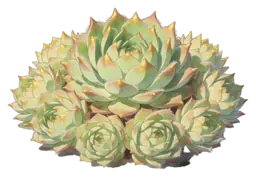
- #1 — vueltaalhuerto illustration
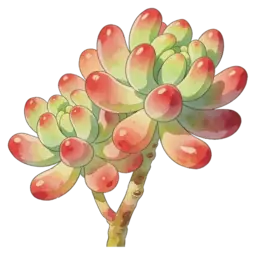
- #2 — vueltaalhuerto illustration
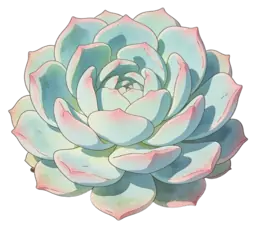
- #3 — vueltaalhuerto illustration
- #4 — vueltaalhuerto illustration
- #5 — vueltaalhuerto illustration
- #6 — vueltaalhuerto illustration
- #7 — vueltaalhuerto illustration
- #8 — vueltaalhuerto illustration
- #9 — vueltaalhuerto illustration
- #10 — vueltaalhuerto illustration
Delosperma (hardy ice plant)
and 2 more names
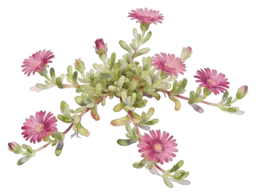
trailing ice plant, DelospermaDelosperma (hardy ice plant) is sown in seed trays from February to March, and planted out from April to May and in September. It flowers from May to September. Grow it in full sun, 40 cm apart, with little watering. Dates are for a mild temperate climate in the northern hemisphere; the calendar below adjusts them to your zone.
What else to sow in February and March
Delospermas are a genus of about a hundred and fifty creeping succulents in the ice plant family (Aizoaceae), originally from South Africa, which form a low carpet of fleshy, cylindrical leaves with a granular surface and, from spring to autumn, cover themselves in glossy, daisy-like flowers with fine, narrow petals in pink, magenta, orange, yellow or white. What nurseries sell as ‘Delosperma’ is usually Delosperma cooperi or other mountain species and hybrids, which withstand winter cold better than almost any other succulent, which is why this profile covers the genus as a whole. Always check your plant's label, because cold hardiness varies a great deal from one species to another. It needs full sun and a poor, sandy or stony soil with very good drainage, and it shines in rockeries, on walls, in sunny borders and in planters. LEGAL AND SAFETY NOTICE: no delosperma is on the Spanish Catalogue of Invasive Alien Species (Real Decreto 630/2013), but at first glance it resembles the Hottentot fig (Carpobrotus edulis and C. acinaciformis), of the same family, which is listed as invasive and whose sale, possession and cultivation are prohibited in Spain: the Hottentot fig has triangular, much larger leaves and large flowers 6 to 10 cm across; always buy plants labelled with their scientific name and do not confuse them. Even so, delospermas produce a lot of seed and spread easily, so do not dump cuttings or prunings on cliffs, dunes, banks or in the countryside, and keep the plant contained. There are no reliable data on its toxicity: do not eat it or use it as a remedy, and do not let children or pets chew its leaves.
Family and origin: Ice plant family (Aizoaceae) · native to Southern Africa (mainly South Africa and Lesotho), on rocky slopes and mountain grasslands with poor, very free-draining soils · More plants from Africa
01In your area
How will it do in your garden?
Year calendar
| Task | J | F | M | A | M | J | J | A | S | O | N | D |
|---|---|---|---|---|---|---|---|---|---|---|---|---|
| Seed trayFeb–Mar | no | yes | yes | no | no | no | no | no | no | no | no | no |
| Plant / transplantApr–May, Sep | no | no | no | yes | yes | no | no | no | yes | no | no | no |
| FloweringMay–Sep | no | no | no | no | yes | yes | yes | yes | yes | no | no | no |
| CuttingsApr–Aug | no | no | no | yes | yes | yes | yes | yes | no | no | no | no |
| Divide the clumpApr–May, Sep | no | no | no | yes | yes | no | no | no | yes | no | no | no |
Its life cycle at a glance
Swipe and tap a stage to see its details.
02Care
Care through the year
Sun and aspectFull sun · 8 h of sun · South or south-west, with nothing casting shade at midday
- Too little sun
- Ideal range
- Plenty of sun
South or south-west, with nothing casting shade at midday
Strong sun: Loves full midday sun and high temperatures.
Full sun, six hours or more. In the hottest areas it copes well with summer sun if the soil drains well.
- Common mistakeLack of light makes them stretch and go soft (etiolation).
WateringLet it dry out between waterings · summer: every 5-7 days
- Summerevery 5-7 days0.2 L per plant/week
- Spring / Autumnevery 10-14 days0.1 L per plant/week
- Winteronly in extreme drought (once a month)0 L per plant/week
Let it dry out between waterings: A Mediterranean favourite: better thirsty than overwatered.
Water sparingly and only when the soil has dried out completely; in summer, once every one or two weeks in the first year and hardly at all after that. What damages the plant most is standing water in winter: plant it in a soil with plenty of sand or gravel, on a slope or in a pot with drainage holes.
When to water? Push your finger 5 cm into the soil next to the base of the plant:
- Damp: soil sticks to your finger. Do not water yet. It has more than enough; wait for it to dry out more.
- Cool but clean, no mud. Wait another 1-2 days before watering.
- Dry and dusty. Water now, but moderately. Do not overdo it: it prefers thirst to excess.
- TipIn rainy areas or where winters are very wet, it is better in a pot or on top of a wall, where water drains away.
- TipFigures for cold, watering and dates are approximate and vary with the species.
- TipWater thoroughly and leave long gaps: better thirsty than overwatered.
- Common mistakeWatering often rots the crown and the roots.
Soil and feedingpH 6–7.5 · Very gritty, free-draining mix
Very gritty, free-draining mix.
30 % multi-purpose compost · 40 % coarse sand · 30 % perlite or pumice.
Very high: standing moisture rots them.
This plant prefers a pH between 6.0 and 7.5 (slightly acidic to slightly alkaline).
- Multi-purpose compost on its own with no drainage: rot sets in quickly.
- Watering the rosette or the leaves marks them and causes rot.
- TipPlant it in the sunniest, poorest spot in the garden, with a third of sand or gravel in the soil, and avoid compost and fertiliser, which make it soft.
- TipWatch out for aphids on the shoots and for rot at the base if the soil becomes waterlogged.
- TipVery free-draining mix (with sand/perlite) and pots with a drainage hole.
Pruning
- TipDeadhead so that it flowers again, and trim the clump in spring if it has opened up in the centre.
03Propagation
Make new plants
It is easily propagated from stem cuttings in spring and summer: cut a piece about 5-8 cm long, leave it to dry for a day and push it into coarse sand or a mineral potting mix, where it roots within a few weeks. It can also be sown: the seed is very fine, needs light and is scattered on the surface, without covering it, at about 18-24 °C, although named varieties do not come true.
Seeds: how to germinate them~14 days
04Uses and health
What it is used for, and with what care
There are no reliable data on the toxicity of this genus: as a precaution do not eat it, do not use it in home preparations and do not let children or pets chew the leaves. LEGAL NOTICE: it is not listed as an invasive species in Spain, but do not confuse it with the Hottentot fig (Carpobrotus), which is on the Spanish list and prohibited there; do not dump cuttings or plant debris in the countryside.
- Properties
- An ornamental rockery plant, valued for its long flowering season, which attracts bees and butterflies. No medicinal use is attributed to it.
- Uses
- It is not grown for eating and we give no instructions for eating it.
For guidance only; this is not medical treatment and does not replace advice from a doctor or vet.
05Companions and related plants