Credits and licences
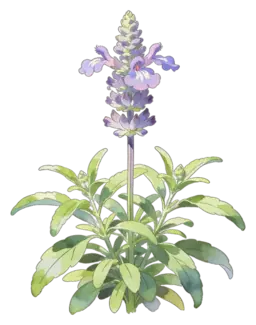
- #1 — vueltaalhuerto illustration
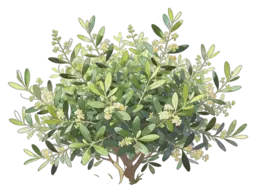
- #2 — vueltaalhuerto illustration
- #3 — vueltaalhuerto illustration
- #4 — vueltaalhuerto illustration
- #5 — vueltaalhuerto illustration
- #6 — vueltaalhuerto illustration
- #7 — vueltaalhuerto illustration
- #8 — vueltaalhuerto illustration
- #9 — vueltaalhuerto illustration
- #10 — vueltaalhuerto illustration
Chaste tree (Vitex agnus-castus)
and 2 more names
lilac chastetree, Vitex agnus-castusChaste tree (Vitex agnus-castus) is sown directly outdoors in March and from October to November. It flowers from June to September. Grow it in full sun, 300 cm apart, with little watering. Dates are for a mild temperate climate in the northern hemisphere; the calendar below adjusts them to your zone.
What else to sow in March, October and November
A deciduous shrub or small tree 2 to 5 m tall, with palmate leaves of five to seven narrow leaflets, green above and greyish underneath, which give off an intense scent when brushed. From midsummer to early autumn it is covered in spikes of lilac, bluish or sometimes white flowers, much visited by bees and butterflies, followed by small, round, brown drupes the size of a peppercorn. It is a Mediterranean plant for sun, heat and drought, ideal for dry gardens, informal hedges and low-water areas, and it tolerates wind and lime well. It comes into leaf late in spring and hard winter pruning encourages flowering. Its fruits have traditionally been used in herbal medicine; it is not grown for that purpose at home (see the health notice).
Family and origin: Mint family (Lamiaceae) · native to Mediterranean basin and western Asia, in dry riverbeds and on riverbanks · More plants from Mediterranean basin
01In your area
How will it do in your garden?
Year calendar
| Task | J | F | M | A | M | J | J | A | S | O | N | D |
|---|---|---|---|---|---|---|---|---|---|---|---|---|
| Direct sowingMar, Oct–Nov | no | no | yes | no | no | no | no | no | no | yes | yes | no |
| Plant / transplantMar–Apr, Oct–Nov | no | no | yes | yes | no | no | no | no | no | yes | yes | no |
| HarvestJul–Sep | no | no | no | no | no | no | yes | yes | yes | no | no | no |
| FloweringJun–Sep | no | no | no | no | no | yes | yes | yes | yes | no | no | no |
| PruningFeb–Mar | no | yes | yes | no | no | no | no | no | no | no | no | no |
| CuttingsJun–Aug | no | no | no | no | no | yes | yes | yes | no | no | no | no |
Its life cycle at a glance
Swipe and tap a stage to see its details.
02Planting
Where and how to plant it
Sow the seed 5 mm deep; leave 3 m between plants and 3 m between rows.
3 m between plants · 3 m between rows
Seed at a depth of 5 mm; seedlings go in with the root ball level with the soil.
- Transplanting
- Mar–Apr, Oct–Nov
- Direct sowing
- Mar, Oct–Nov
- Germination
- ~40 days
- Common mistakePlanting too deep smothers the crown of the plant.
03Care
Care through the year
Sun and aspectFull sun · 8 h of sun · South or south-west, with nothing casting shade at midday
- Too little sun
- Ideal range
- Plenty of sun
South or south-west, with nothing casting shade at midday
Strong sun: Loves full midday sun and high temperatures.
Full sun and heat; in shade it flowers very little and becomes spindly. In cold areas plant it against a south- or west-facing wall.
WateringLet it dry out between waterings · summer: every 5-7 days
- Summerevery 5-7 days3 L per plant/week
- Spring / Autumnevery 10-14 days1.2 L per plant/week
- Winteronly in extreme drought (once a month)0.5 L per plant/week
Let it dry out between waterings: A Mediterranean favourite: better thirsty than overwatered.
Water regularly in the first year and hardly at all after that: it withstands drought. It tolerates some moisture in the soil in summer but not prolonged waterlogging in winter.
When to water? Push your finger 5 cm into the soil next to the base of the plant:
- Damp: soil sticks to your finger. Do not water yet. It has more than enough; wait for it to dry out more.
- Cool but clean, no mud. Wait another 1-2 days before watering.
- Dry and dusty. Water now, but moderately. Do not overdo it: it prefers thirst to excess.
- TipWater generously in the first year until it is established; after that it looks after itself.
Soil and feedingpH 6–8 · Deep soil with good drainage
Deep soil with good drainage.
Medium/high.
This plant prefers a pH between 6.0 and 8.0 (slightly acidic to alkaline).
- Water generously in the first year until it is established.
- A thick mulch all year round, not touching the trunk.
PruningWhen: Feb–Mar
Pruning time for this plant: Feb–Mar.
- TipPrune hard at the end of winter, leaving two or three buds on each main branch, and it will flower on the new season's growth.
- TipFormative pruning after flowering keeps the shape compact.
- Common mistakePruning at the wrong time removes the year's flower buds.
Common mistakes and tips
- TipIt comes into leaf late in spring, so do not give it up for dead until May.
- TipCut off faded spikes to prolong flowering.
- TipIn areas with hard frosts it can be killed back to the ground and resprout from the base.
04Harvest
Harvesting and storing
Harvest in Jul–Sep.
05Propagation
Make new plants
It is usually propagated by semi-ripe cuttings in summer, 10 to 15 cm long, with two pairs of leaves, in sandy potting mix; they root in four to six weeks and give a plant identical to the parent. It can also be propagated by seed collected in autumn: it has a hard coat and germinates slowly and unevenly, and is sown outdoors in autumn so that the cold softens it, or cold-stratified for a few weeks before sowing in spring.
Seeds: how to germinate them~40 days
06Uses and health
What it is used for, and with what care
HEALTH WARNING: chaste tree fruits and extracts act on the hormonal system and are sold as traditional herbal medicines with their own indications and contraindications. Do not use them on your own initiative: they are advised against during pregnancy and breastfeeding, with hormone treatments or contraceptives, and with a history of hormone-sensitive cancer, and they can interfere with medicines. Always consult a doctor or pharmacist, and do not give home-grown plants or fruits to children. There are no reliable data for dogs and cats: stop them biting the leaves or fruits. Do not confuse it with hemp, which has similar but different palmate leaves and whose cultivation is regulated.
- Properties
- It is a very valuable nectar-rich shrub for bees and butterflies at the end of summer, when there are few flowers.
- Uses
- It is not grown at home for food. The dried fruits have been used as a spice (hence ‘monk's pepper’) and in traditional herbal medicine, but there are regulated products and it is unwise to improvise home preparations.
For guidance only; this is not medical treatment and does not replace advice from a doctor or vet.
07Companions and related plants