
What to look for
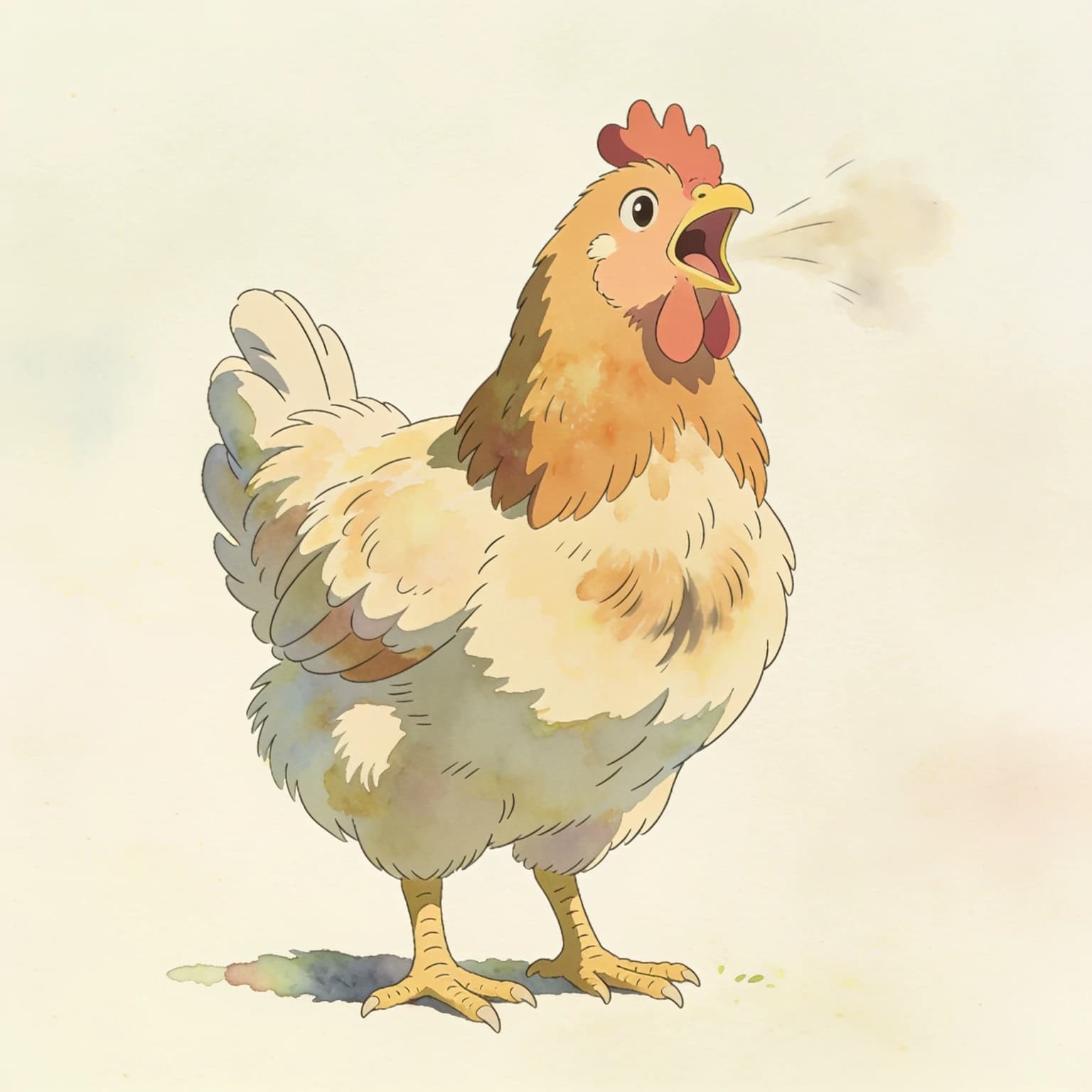
- The bird breathes with its beak open or stretches its neck
- Clicking or whistling sounds that you can hear when you put your ear close
- Head shaking (as if trying to expel something)
- Less activity and less appetite
Possible causes
- Mycoplasmosis: a chronic infection that is hard to eradicate from the coop once it has taken hold
- Aspergillosis from mould in the bedding or damp grain: it infects the lungs and is very serious in chicks
- Red tracheal worms (Syngamus): ground-living birds pick them up from damp soil and breathe with a whistle
- Infectious bronchitis and other respiratory viruses: highly contagious in coops; they usually come with a drop in laying and misshapen eggs
- In mammals: pasteurellosis (rabbit), pleuropneumonia (goat)
What to do now
- Isolate the sick bird and reduce stress for the group (less noise, more space): stress makes respiratory infections worse
- Ventilate the house and remove all mouldy bedding: the spores stay in the air if you leave remains
- Offer fresh water and do not give remedies or medicines without consulting your vet first
- Consult your vet: antibiotics require a diagnosis
Prevention
- Dry, mould-free bedding; store grain in an airtight container
- Keep good high-level ventilation (an outlet for warm air) without draughts at bird height: the air must be renewed without chilling them
- Draw up a plan with your vet to control internal parasites: they weaken the animal and encourage other respiratory and digestive problems
- Do not mix birds of different origins without quarantine: it is the typical route for bringing in mycoplasma and coryza
When to call the vet
If it lasts more than 48 hours or affects several animals. In goats and rabbits, whenever they breathe noisily. If several birds fall ill or die at once, notify the official veterinary services.
This guide is for guidance only. If you have any reasonable doubt, it is always better to ask. Note down the symptoms, how they progress and the times, to help the professional.
Other respiratory problems
- Coryza / nasal discharge and swollen eyesNasal discharge and swollen eyes in birds. It is highly contagious among chickens: isolate the bird as soon as you see thick, bad-smelling discharge.
- Aspergillosis (respiratory mould)The lungs fill with mould from mouldy bedding or feed. Very serious in chicks reared on damp straw.