Credits and licences
- #1 — vueltaalhuerto illustration
- #2 — vueltaalhuerto illustration
- #3 — vueltaalhuerto illustration
- #4 — vueltaalhuerto illustration
- #5 — vueltaalhuerto illustration
- #6 — vueltaalhuerto illustration
- #7 — vueltaalhuerto illustration
- #8 — vueltaalhuerto illustration
- #9 — vueltaalhuerto illustration
- #10 — vueltaalhuerto illustration
Viper's bugloss
Viper's bugloss is sown directly outdoors from March to April and from September to October. It flowers from May to September. Grow it in full sun, 40 cm apart, with little watering. Dates are for a mild temperate climate in the northern hemisphere; the calendar below adjusts them to your zone.
What else to sow in March, April, September and October
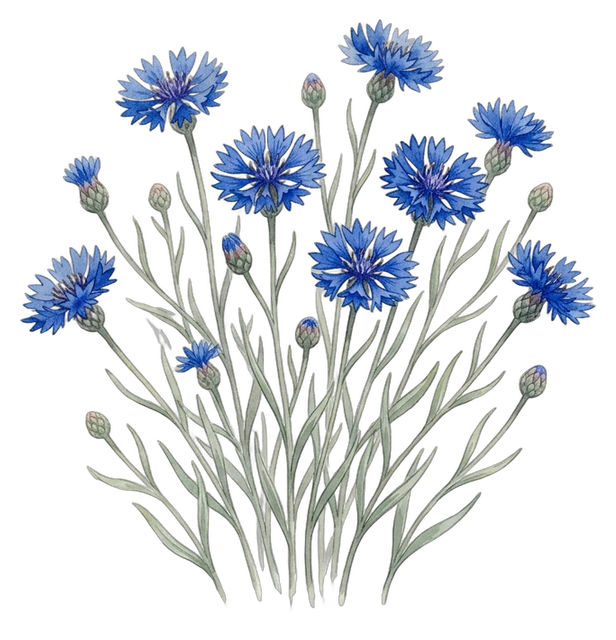
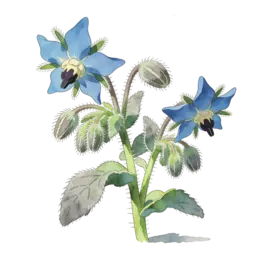
A wild biennial 40 to 90 cm tall, very rough to the touch, with stems and leaves covered in stiff bristles. In its first year it forms a rosette of narrow leaves and in the second it sends up a stem with curved spikes of funnel-shaped flowers, pink in bud and an intense violet-blue when open, with protruding red stamens. It flowers from May to September and is one of the best plants for honeybees, bumblebees and butterflies. It grows on banks, verges and dry, sunny ground, and in the garden it looks very good in a wildflower meadow, rockery or dry border. It is an ornamental and bee plant, not edible, and the plant's bristles and its alkaloids call for some care when handling it.
Family and origin: Borage family (Boraginaceae) · native to Europe and western Asia; a common wild plant in Spain · More plants from Temperate Europe
01In your area
How will it do in your garden?
Year calendar
| Task | J | F | M | A | M | J | J | A | S | O | N | D |
|---|---|---|---|---|---|---|---|---|---|---|---|---|
| Direct sowingMar–Apr, Sep–Oct | no | no | yes | yes | no | no | no | no | yes | yes | no | no |
| HarvestMay–Sep | no | no | no | no | yes | yes | yes | yes | yes | no | no | no |
| FloweringMay–Sep | no | no | no | no | yes | yes | yes | yes | yes | no | no | no |
Its life cycle at a glance
Swipe and tap a stage to see its details.
02Planting
Where and how to plant it
Sow the seed 3 mm deep; leave 40 cm between plants and 50 cm between rows.
40 cm between plants · 50 cm between rows
Seed at a depth of 3 mm.
- Direct sowing
- Mar–Apr, Sep–Oct
- Germination
- ~14 days
- TipDo not sow it near horse pastures or livestock pens: it contains pyrrolizidine alkaloids that damage the liver of livestock.
- TipIt self-sows readily, so cut off faded spikes if you do not want it to spread.
- Common mistakeSowing out of season: many need warmth or a cold spell beforehand to sprout.
03Care
Care through the year
Sun and aspectFull sun · 8 h of sun · South or south-west, with nothing casting shade at midday
- Too little sun
- Ideal range
- Plenty of sun
South or south-west, with nothing casting shade at midday
Strong sun: Loves full midday sun and high temperatures.
Full sun. In shade it stretches, flops and flowers poorly.
WateringLet it dry out between waterings · summer: every 5-7 days
- Summerevery 5-7 days0.6 L per plant/week
- Spring / Autumnevery 10-14 days0.2 L per plant/week
- Winteronly in extreme drought (once a month)0.1 L per plant/week
Let it dry out between waterings: A Mediterranean favourite: better thirsty than overwatered.
Water only until it comes up and establishes. After that it gets by on rainfall: it prefers poor, dry, stony, chalky soils, and does not tolerate waterlogging or heavily fertilised ground.
When to water? Push your finger 5 cm into the soil next to the base of the plant:
- Damp: soil sticks to your finger. Do not water yet. It has more than enough; wait for it to dry out more.
- Cool but clean, no mud. Wait another 1-2 days before watering.
- Dry and dusty. Water now, but moderately. Do not overdo it: it prefers thirst to excess.
Soil and feedingpH 6.5–8 · Loose soil with organic matter and good drainage
Loose soil with organic matter and good drainage.
50 % topsoil · 30 % well-rotted compost · 20 % sand or perlite.
Medium/high.
This plant prefers a pH between 6.5 and 8.0 (neutral to alkaline).
- Overfeeding gives lots of leaf and few flowers.
- Compacted, poorly drained soil rots the roots in winter.
- TipChoose a sunny spot with poor soil, and do not feed it.
- Common mistakeOverfeeding gives lush leaves but few flowers.
Pruning
- TipRemove faded flowers to prolong flowering.
Common mistakes and tips
- TipWear gloves and long sleeves to handle it, because the bristles irritate the skin of sensitive people.
04Harvest
Harvesting and storing
Harvest in May–Sep; the first, about 365 days after sowing.
05Propagation
Make new plants
It is propagated only by seed, which consists of rough, angular nutlets about 2 mm long, shaped like a viper's head. It is best sown where it is to grow, from March to April, or in September and October in areas with mild winters, because it forms a long taproot and does not transplant well. Scatter the seeds on bare soil and cover them with a couple of millimetres of soil. It germinates in two or three weeks and forms a rosette in the first year. It flowers in the second year and then self-sows. To save seed, cut the spikes when the calyces are dry and brown and collect them in dry weather, wearing gloves.
Seeds: how to germinate them~14 days
06Uses and health
What it is used for, and with what care
SAFETY NOTICE: viper's bugloss contains pyrrolizidine alkaloids, which can damage the liver if eaten repeatedly, and are especially dangerous to horses and livestock. Do not eat it, do not use it in infusions and do not mix it into fodder. The stiff hairs on the leaves and stems can irritate the skin or cause dermatitis in sensitive people, so handle it with gloves. Keep it away from children, dogs, cats and horses. It is a wild plant in Spain and is not listed as a regulated invasive species, but it can naturalise and spread by seed. Do not confuse it with borage or other members of the borage family, which have other uses.
- Properties
- It is one of the plants most visited by honeybees, bumblebees and butterflies from May to September, and a good nectar plant for a pollinator garden.
- Uses
- It is not grown for eating and has no safe uses in cooking or home remedies. Do not use it in infusions, salads or poultices.
For guidance only; this is not medical treatment and does not replace advice from a doctor or vet.
07Companions and related plants