Credits and licences
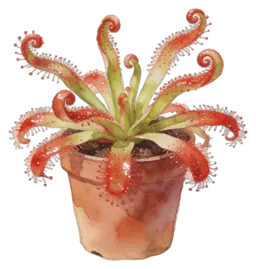
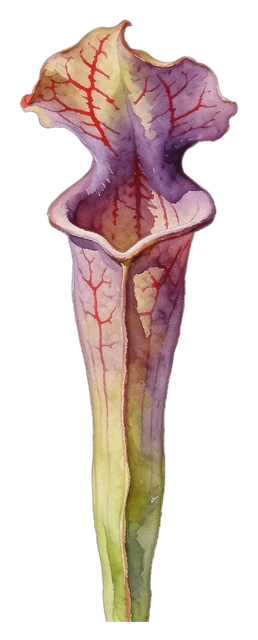
- #1 — vueltaalhuerto illustration
- #2 — vueltaalhuerto illustration
- #3 — vueltaalhuerto illustration
- #4 — vueltaalhuerto illustration
- #5 — vueltaalhuerto illustration
- #6 — vueltaalhuerto illustration
Live sphagnum moss
and 1 more names
Sphagnum spp.Live sphagnum moss is planted from March to May and in September. Grow it in sun or partial shade, 10 cm apart, with plenty of watering. Dates are for a mild temperate climate in the northern hemisphere; the calendar below adjusts them to your zone.
A genus of peat mosses, which have no roots or flowers and form spongy cushions, light green, yellowish-green or reddish, made of upright stems with a head of small branches at the tip that looks like a little star. Their leaves have hollow cells that store water, many times their own weight, and they acidify the environment where they live. In gardening it is sold live for growing carnivorous plants and other bog plants, for terrariums and for keeping orchid pots moist. It grows slowly, with very pure, lime-free water. It is not the dried, compressed sphagnum sold as a potting medium, which is dead, nor the peat extracted from peat bogs. SAFETY AND LEGAL NOTICE: dried or poorly kept sphagnum moss can carry spores of the fungus Sporothrix, which causes sporotrichosis, a skin infection that enters through a wound, so wear gloves and avoid breathing in the dust from dry moss. All species of the genus are listed in Annex V of the Habitats Directive (and Sphagnum pylaisii in Annex II) and peat bogs are protected habitats, so do not collect it in the wild: buy only cultivated moss.
Family and origin: Peat moss family (Sphagnaceae) · native to Peat bogs and acid wetlands of temperate and cold regions worldwide, including the mountain ranges of northern Spain · More plants from Temperate Europe
01In your area
How will it do in your garden?
Year calendar
| Task | J | F | M | A | M | J | J | A | S | O | N | D |
|---|---|---|---|---|---|---|---|---|---|---|---|---|
| Plant / transplantMar–May, Sep | no | no | yes | yes | yes | no | no | no | yes | no | no | no |
| Divide the clumpMar–Jun, Sep | no | no | yes | yes | yes | yes | no | no | yes | no | no | no |
Its life cycle at a glance
Swipe and tap a stage to see its details.
02Planting
Where and how to plant it
Leave 10 cm between plants and 10 cm between rows.
10 cm between plants · 10 cm between rows
Seedlings are planted with the root ball level with the soil.
- Transplanting
- Mar–May, Sep
- TipPlant in a grid or at wide spacing: they will fill in on their own with runners.
03Care
Care through the year
Sun and aspectSun and shade · 5 h of sun · shade in summer
- Too little sun
- Ideal range
- Plenty of sun
East, or south with light shade during the middle of the day
Gentle sun: Morning or afternoon sun. Midday summer sun stresses and scorches it.
Bright light, with morning or afternoon sun and shade during the hottest hours. In strong light and heat it dries out and takes on reddish tones; in low light it gets leggy and pale.
WateringVery moist, tolerates waterlogging · summer: daily, or every 2 days when it is above 30 °C
- Summerdaily, or every 2 days when it is above 30 °C1.4 L per plant/week
- Spring / Autumnevery 3-4 days0.6 L per plant/week
- Winterevery 2 weeks if dry0.2 L per plant/week
Very moist, tolerates waterlogging: Saturated or nearly saturated soil. Still watch out for fungal disease. Mulch: straw or dry plant material cuts watering by 30-50 %.
It must always be soaked, with its base in contact with water. Water only with rainwater, distilled water or reverse-osmosis water, because the lime and salts in tap water kill it within a few weeks. A tray with 1 to 3 cm of water under the pot or terrarium, topped up often, is the simplest way to keep it. In hot summers it needs checking daily.
This is a plant for waterlogged soil or pond margins: the finger test does not help, because the soil must stay wet all the time. Make sure the mud never dries out and, if it grows in a pond, that the water covers the base as the profile says; in summer, top up what evaporates.
- TipRegular watering at the start helps them carpet the ground sooner.
Soil and feedingpH 3.5–5 · Airy soil with some organic matter
Airy soil with some organic matter.
Medium.
This plant prefers a pH between 3.5 and 5.0 (acidic).
- Regular watering at the start speeds up coverage by runners.
- Edging to contain it if the species tends to spread.
- Very compacted soil holds back its spread and leaves bare patches.
- Without proper spacing they do not cover well and weeds appear in between.
- TipGrow it in a tray or pot with no holes above the water level, or in a garden bog, with rainwater, and do not give it fertiliser or limy potting mixes.
- TipUse the trimmings to spread it and cover the potting mix of carnivorous plants: it helps keep it moist.
- Common mistakeCompacted soil holds back their spread.
Common mistakes and tips
- TipRemove fallen leaves and weeds that creep in, which smother it.
- TipWear gloves when handling it, especially if it is dry, and wash your hands.
- TipDo not collect moss in the wild, whether in bogs or in the mountains: it is a fragile, protected habitat.
- TipThe measurements, dates and timings are a rough guide.
- Common mistakeLeft unchecked, some become invasive: contain them with edging.
04Propagation
Make new plants
It propagates effortlessly from fragments: cut or pull apart pieces of living stem, about 5 to 10 cm long, and spread them over a layer of live moss or a lime-free acid potting mix, always very damp and in bright light. Within a few weeks the fragments start to regrow, and in one or two seasons they form a cushion. Reproduction by spores is slow and not practical at home.
05Uses and health
What it is used for, and with what care
It is not toxic on contact under normal conditions, but sphagnum moss, especially when dry or poorly stored, can carry spores of the fungus Sporothrix, which causes sporotrichosis: an infection that enters through cuts and scratches in the skin and forms nodules, and that needs medical treatment. Wear gloves and long sleeves when handling it, do not handle it with open wounds and avoid breathing in the dust from dry moss. There are no reliable data on its toxicity to pets: keep it out of their reach. LEGAL NOTICE: all species of the genus are listed in Annex V of the Habitats Directive (and Sphagnum pylaisii in Annex II) and peat bogs are protected habitats; buy only cultivated moss and do not collect it in the wild.
- Properties
- It is an ornamental moss that is useful in gardening: it holds a lot of water, acidifies its surroundings and keeps the potting mix of carnivorous plants, orchids and terrariums moist. No home medicinal uses are attributed to it.
- Uses
- It is not edible and is not used in cooking.
For guidance only; this is not medical treatment and does not replace advice from a doctor or vet.
06Companions and related plants