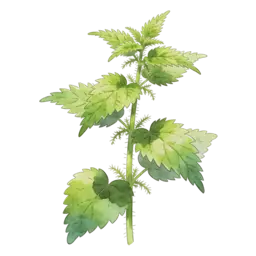
Credits and licences
- #1 — vueltaalhuerto illustration
- #2 — vueltaalhuerto illustration
- #3 — vueltaalhuerto illustration
- #4 — vueltaalhuerto illustration
Alder buckthorn
and 1 more names
arraclánAlder buckthorn is sown directly outdoors from October to November. It flowers from May to July. Grow it in sun or partial shade, 250 cm apart, with plenty of watering. Dates are for a mild temperate climate in the northern hemisphere; the calendar below adjusts them to your zone.
What else to sow in October and November
A deciduous shrub or small tree with glossy oval leaves, typical of damp woods, peat bogs and stream banks in the north of the peninsula. It flowers from May to July with small greenish flowers very rich in nectar and much visited by bees, and its fruits turn from green to red and then to purplish black and feed birds. It is one of the host plants for brimstone butterfly caterpillars, along with Mediterranean buckthorn. It needs cool soil and does not cope well with Mediterranean summer drought. Its fruits and bark are not edible and can cause upset.
Family and origin: Buckthorn family (Rhamnaceae) · native to Europe and western Asia; in Spain mainly the north and the mountain ranges · More plants from Temperate Europe
01In your area
How will it do in your garden?
Year calendar
| Task | J | F | M | A | M | J | J | A | S | O | N | D |
|---|---|---|---|---|---|---|---|---|---|---|---|---|
| Direct sowingOct–Nov | no | no | no | no | no | no | no | no | no | yes | yes | no |
| Plant / transplantNov–Feb | yes | yes | no | no | no | no | no | no | no | no | yes | yes |
| FloweringMay–Jul | no | no | no | no | yes | yes | yes | no | no | no | no | no |
| PruningJul–Aug | no | no | no | no | no | no | yes | yes | no | no | no | no |
Its life cycle at a glance
Swipe and tap a stage to see its details.
02Planting
Where and how to plant it
Sow the seed 1 cm deep; leave 2.5 m between plants.
2.5 m between plants
Seed at a depth of 1 cm; seedlings go in with the root ball level with the soil.
- Transplanting
- Nov–Feb
- Direct sowing
- Oct–Nov
- Germination
- ~60 days
- TipIt is a good choice for the north and for damp, shady corners, also in a mixed hedge of native plants.
- Common mistakePlanting too deep smothers the crown of the plant.
03Care
Care through the year
Sun and aspectSun and shade · 5 h of sun · shade in summer
- Too little sun
- Ideal range
- Plenty of sun
East or north, with afternoon shade
Moderate sun: Copes with full sun, but give it some shade during heatwaves.
Morning sun and afternoon shade, or partial shade. It appreciates shade in the hottest hours.
WateringVery moist, tolerates waterlogging · summer: 2-3 times a week in the first summer; afterwards do not let the soil dry out completely
- Summer2-3 times a week in the first summer; afterwards do not let the soil dry out completely10.5 L per plant/week
- Spring / Autumnrain is usually enough4.8 L per plant/week
- Winterrain is usually enough1.2 L per plant/week
Very moist, tolerates waterlogging: Saturated or nearly saturated soil. Still watch out for fungal disease. Mulch: straw or dry plant material cuts watering by 30-50 %.
It needs always-cool soil, acid or neutral, like a stream bank or a damp part of the garden. A good mulch helps in summer. What it tolerates least is dry, limy soil.
This is a plant for waterlogged soil or pond margins: the finger test does not help, because the soil must stay wet all the time. Make sure the mud never dries out and, if it grows in a pond, that the water covers the base as the profile says; in summer, top up what evaporates.
- TipWater generously in the first year until it is established; after that it looks after itself.
Soil and feedingpH 4.5–7.5 · Deep soil with good drainage
Deep soil with good drainage.
Medium/high.
This plant prefers a pH between 4.5 and 7.5 (acidic to slightly alkaline).
- Water generously in the first year until it is established.
- A thick mulch all year round, not touching the trunk.
PruningWhen: Jul–Aug
Pruning time for this plant: Jul–Aug.
- TipFormative pruning after flowering keeps the shape compact.
- Common mistakePruning at the wrong time removes the year's flower buds.
Common mistakes and tips
- TipOutside those areas, Mediterranean buckthorn is a better option.
04Harvest
Harvesting and storing
- TipDo not gather its fruits or bark for any home remedy: they are used in traditional medicine as a laxative, but this is dangerous without professional control.
- TipKeep children from picking the fruits, and dogs from eating them.
05Propagation
Make new plants
It is propagated from seed, collected from the ripe fruit and sown outdoors in autumn so that it goes through the winter cold (natural stratification); it germinates in spring, sometimes after more than a year. It can also be grown from softwood cuttings in summer or by layering. It grows slowly in its first years.
Seeds: how to germinate them~60 days
06Uses and health
What it is used for, and with what care
WARNING: the fresh bark and the fruits contain laxative and irritant anthraquinones; they can cause vomiting, colic and severe diarrhoea. Do not use them for infusions or home remedies, and do not let children or pets eat the fruits. If any is swallowed, call your poison information service or a vet.
- Properties
- A native shrub much visited by bees, with fruits for birds. Its bark has traditionally been used as a laxative, but this is not a safe home use.
- Uses
- Not edible: neither the fruits nor the bark.
For guidance only; this is not medical treatment and does not replace advice from a doctor or vet.
07Companions and related plants